

![]() | |||
![]() |
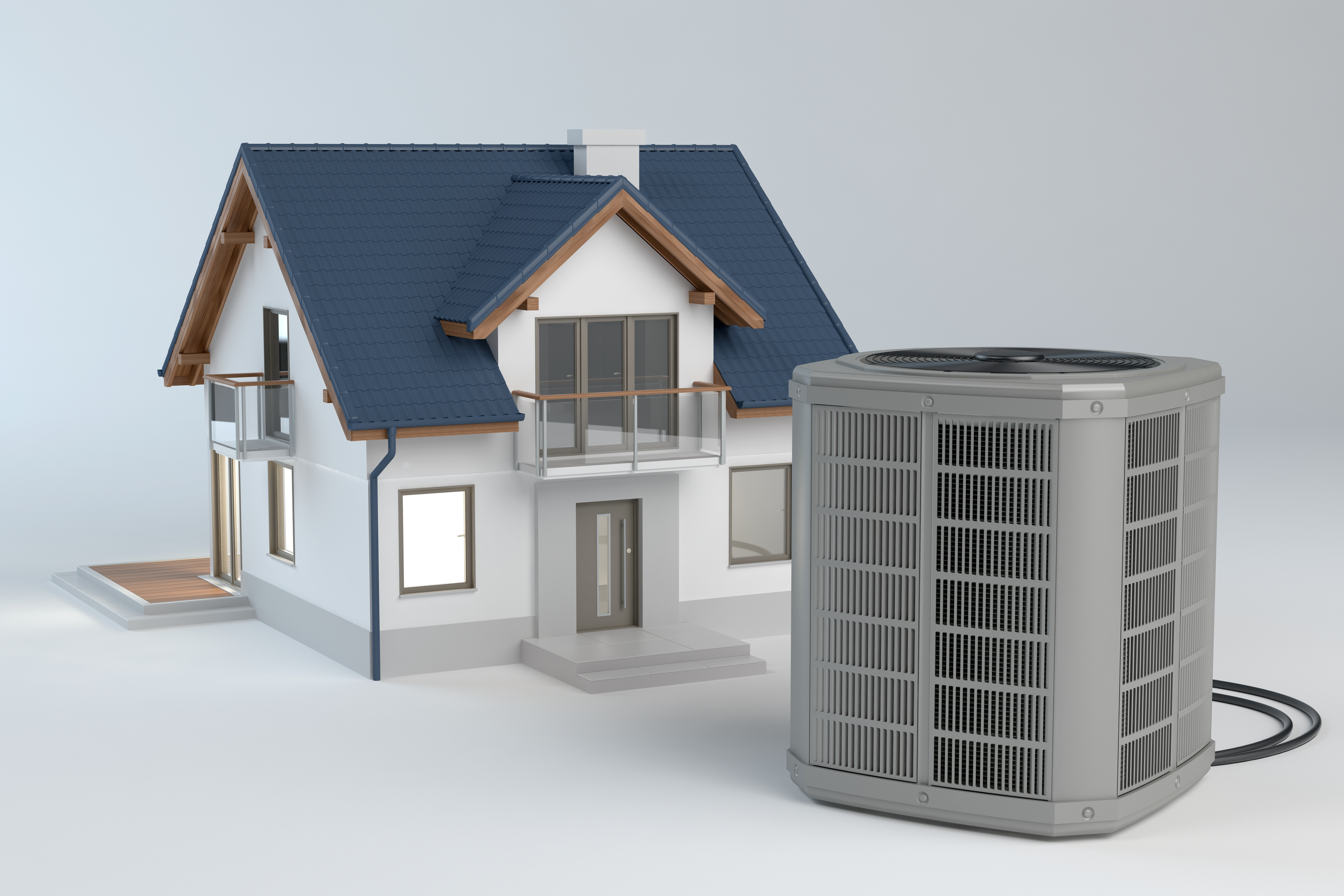
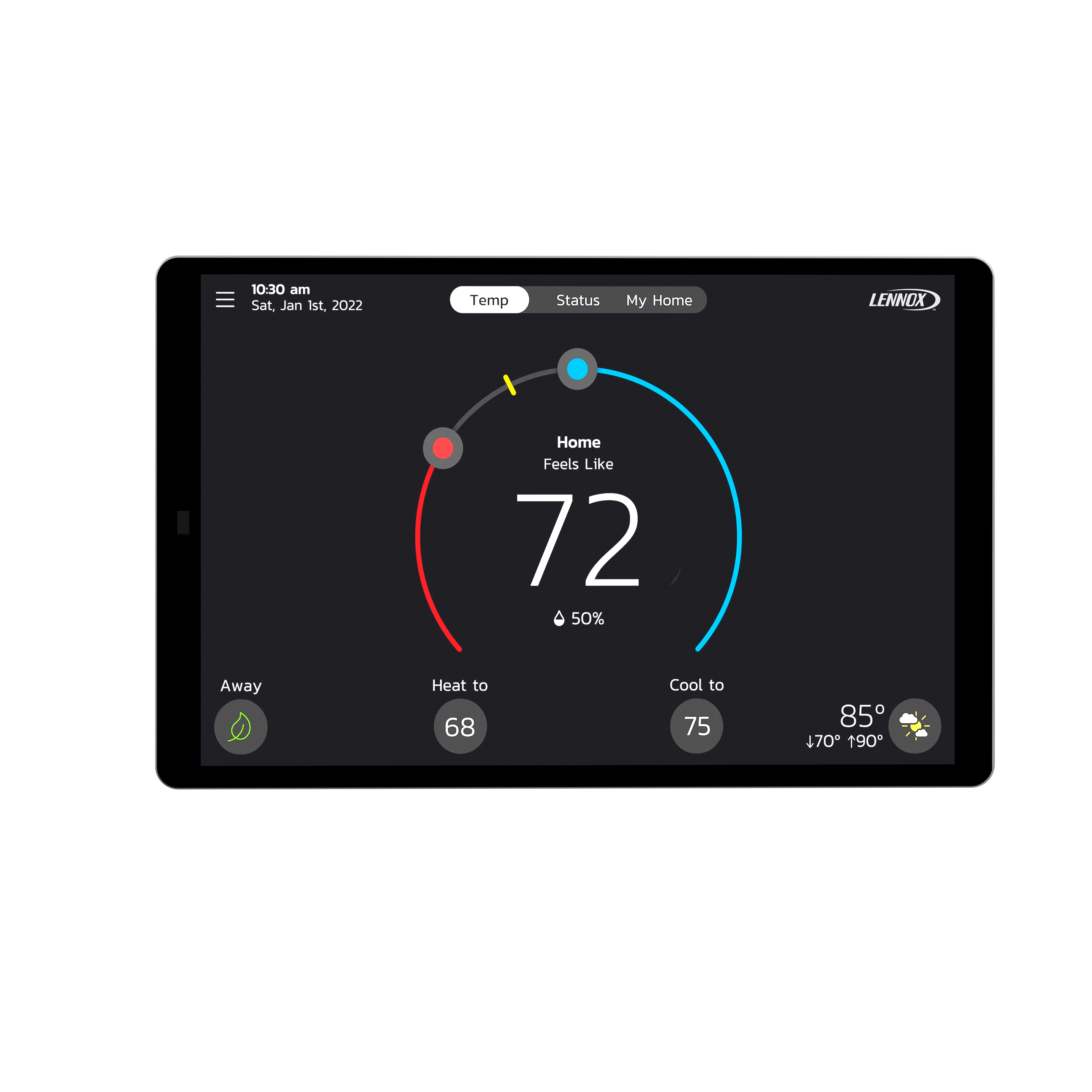
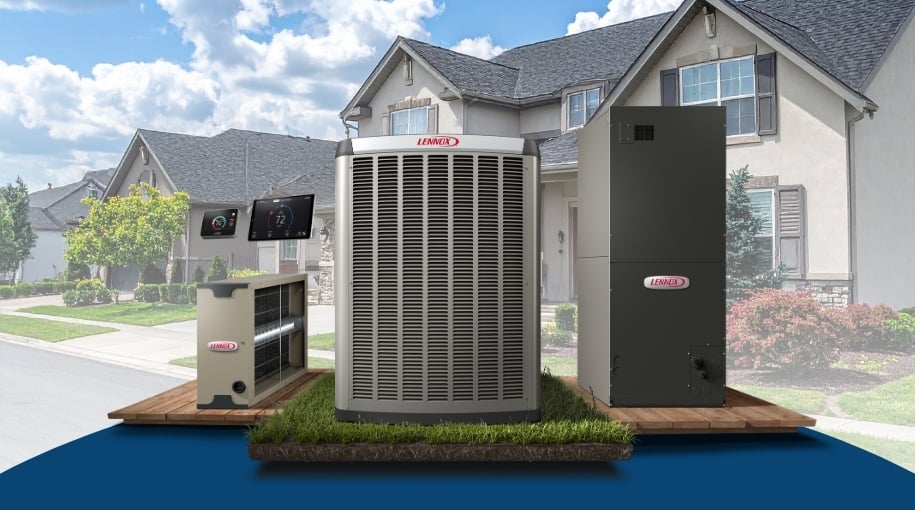
Facts About Replacing your Residential Air Conditioning System Replacing your residential air conditioning system is a complicated decision. There are many options, ratings and terms you are probably not familiar with that need to be understood to make the right choice. First some terminology: Condenser/Condensing Unit: The condensing unit is the machine that sits on the outside of your house. Many people refer to this machine as the air conditioner or compressor, but the proper term is condensing unit. This unit contains the compressor, a condenser coil, a fan motor and some electrical components which start and stop the operation of this unit. When cooling your home, this unit performs the function of transfering heat from your home to the outside air. The efficiency of the air conditioning system is primarily determined by the condensing unit. Evaporator Coil:The evaporator coil is a part of the cooling system located inside the house. The evaporator coil is commonly refered to as the cooling coil or simply as the evaporator. If your furnace is located in a closet, the evaporator will be directly on top or beneath the furnace depending on your particular situation. If your furnace is located in the attic, the evaporator coil will be on the outlet of the furnace, usually connected to the furnace with ductwork. When cooling your home, the evaporator performs the function of absorbing the heat from the air in the house. For efficient operation, your evaporator coil and condensing unit should be a matched set. Furnace: The furnace is the component with which homeowners are most familiar. The furnace uses natural gas to produce a flame which heats the air in your home. The furnace also contains the blower which moves the air through the system of air ducts for both heating and cooling the home. Furnaces contain a heat exchanger which seperates the flame from the air passing through the furnace. The gas valve controls the flow of natural gas to the burners in a furnace. SEER: Acronym for Seasonal Energy Efficiency Ratio. The SEER rating may be used to compare the efficiency of condensing units. The higher the SEER rating, the more efficient the unit. The SEER rating of a condensing unit will depend on the particular evaporative coil to which it is connected. Typical SEER'S range from a minimum of 13 up to 12% effective. AFUE: Acronym for Annual Fuel Utilization Efficiency. The AFUE rating may be used to compare the efficiency of furnaces. The higher the AFUE rating, the more efficient the unit. The AFUE rating is really the percent of fuel used by a furnace which is not wasted. For example, most older furnaces have an AFUE of 65 or 70. This means that if you buy $1.00 of natural gas, 65 or 70 cents of that gas goes to heat the home, the rest is wasted by the furnace and escapes through the flue (vent). New furnaces typically installed Southern California have an AFUE of 80 or are 80 percent efficient. Replacing the equipment is just part of a residential replacement job. Often there are other items which need to be added, replaced or repaired for proper installation and efficient operation. The following items are often a part of replacing residential systems: Disconnect: The disconnect is an electrical switch which is located at the condensing unit. This switch allows anyone servicing a condenser to turn off power at the unit. Most city codes require that a disconnect be installed when replacing a unit if one does not already exist. Refrigerant Lines: The refrigerant lines connect the condenser to the evaporator coil. These copper tubes carry the refrigerant which is under pressure (as much as 350 pounds per square inch). If the refrigerant lines have had a history of leaks or are smaller in diameter than recommended for the system being installed, they should be replaced. Thermostat: There are many options available to replace your old thermostat. If you are not at home for regular periods, a programmable thermostat can reduce your utility bills significantly. Programmable thermostats also can automatically reduce or raise temperatures for added comfort at night for example. Even replacing you old thermostat with a new standard model will improve the temperature accuracy in many cases. Filters: Electronic, pleated and electrostatic filters are common upgrades to the throw-away, fiberglass filter your system probably uses now. Depending on your needs, a new type of filter may improve the air quality in you home. Ductwork: The ductwork in your home may need repairs or upgrades. If you have had problems heating or cooling areas of your home, duct modifications may solve the problem. Condenser Pad: The concrete pad which supports your condensing unit may need replacement. If your old pad is broken, smaller than required for your new unit or has sunk into the ground, a replacement pad may be required. For proper operation and installation, the entire system must be considered. Simply replacing a piece of equipment without considering all of the related items may not result in maximum efficiency, comfort or value. Often an inexpensive item can make the difference between a quality replacement job which will serve you for many years and a quick unit replacement just to get the system operational. CA STATE CONTRACTORS LICENSE # 263871 Burgeson's Heating & Air Conditioning, Inc. Redlands - (909) 793-3685 San Bernardino - (909) 884-9276 Riverside - (951) 683-1003
Site designed and maintained by RedFusion Media |
||