

Prevent Plumbing Problems Before El Nino Brings Heavy Rain: A Southern California Homeowner's Guide
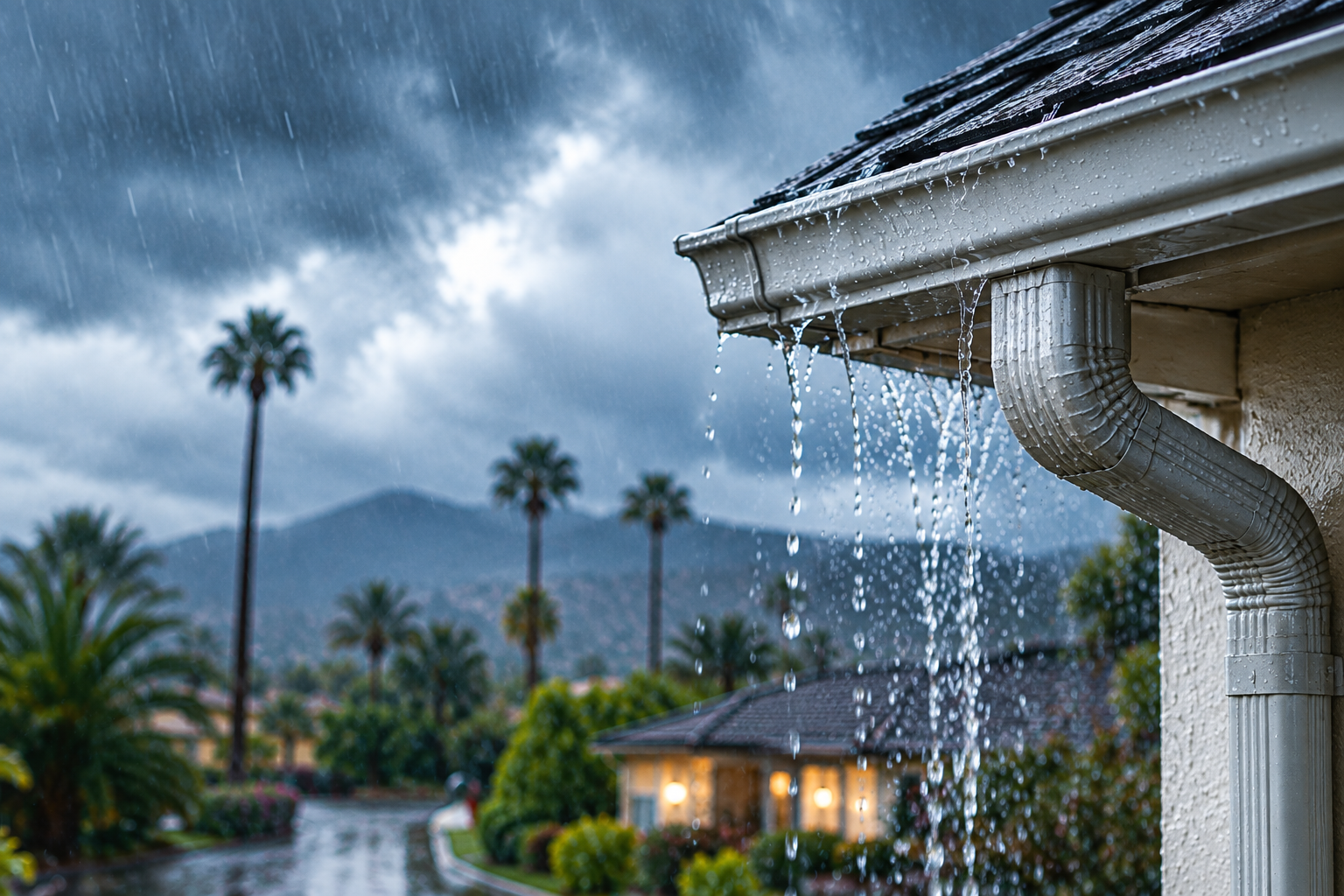
Heavy El Niño rainfall reveals plumbing vulnerabilities that dry Southern California years completely hide. Saturated ground raises water tables, overwhelming slow or partially blocked drains. Storm water volume can exceed what municipal sewer systems are designed to handle, pushing water backward through home drain lines. A pre-season plumbing inspection and a few targeted preventative measures can be the difference between staying dry and a very expensive cleanup.
Southern California plumbing systems are designed for a semi-arid climate. Drain lines that work perfectly well during our typical dry years can be completely overwhelmed during a sustained El Niño event, and the problems that result are among the most expensive and disruptive a homeowner can face.
At Burgeson's, our plumbing team has seen firsthand how heavy Southern California storms can impact homes. In our experience, homeowners who take a few preventative steps before a storm are often better prepared to protect their homes and plumbing systems.
Here's what to do, and why it matters.
Jump to Sections
Why Rain Causes Plumbing Problems (Even Inside Your Home)
It seems counterintuitive: your drains and sewer lines are underground. Why would rain affect them? Several reasons, and understanding them helps you prioritize the right preventative steps.
Saturated Ground Raises the Water Table
When soil becomes fully saturated during extended rainfall, the water table rises. This pushes groundwater into any available pathway, including aging sewer pipes with cracks or poor joints, and any underground space including crawl spaces and basements. Homes on lots with poor drainage can see water intrude into spaces that have stayed dry for years.
Municipal Sewer Systems Get Overwhelmed
Southern California's municipal sewer systems weren't all designed for El Niño-level rainfall events. When storm water volume exceeds the system's capacity, pressure can build in the lines, forcing water and sewage backward through the path of least resistance. If that path leads to your home's drain connections, you get a sewer backup.
Debris Accumulates in Slow Drains Fast
A drain that's partially blocked by root intrusion, grease buildup, or debris handles normal load fine. During heavy rain, the increased volume flowing through the system can push that slow drain into full blockage almost instantly, at exactly the moment you need it working.
Your El NiNo Plumbing Prep Checklist
1. Have Your Sewer Line Inspected
A sewer line camera inspection is the single most effective thing you can do to protect against a sewer backup. A professional plumber runs a camera through your main sewer line to identify root intrusion, buildup, partial blockages, or damaged pipe sections before storm season. It's a relatively affordable service that reveals exactly what condition your line is in and whether any clearing or repair is needed.
If you've never had this done, and most homeowners haven't, El Niño season is the time.
2. Clear All Household Drains
Before storm season, have all slow-draining fixtures addressed. Slow drains are partially blocked drains, and El Niño will finish the job. This includes:
- Kitchen sink drain (grease and soap buildup)
- Bathroom drains (hair and soap scum)
- Floor drains in garage or utility room (often forgotten until needed)
- Outdoor area drains and clean-outs
3. Consider a Backflow Preventer
A backflow preventer (also called a backwater valve) is a device installed on your main sewer line that allows flow in only one direction out. If sewer pressure reverses during a municipal overflow event, the valve automatically closes, preventing sewage from backing up into your home.
These devices are standard in flood-prone climates and are increasingly being installed in Southern California homes ahead of El Niño seasons. Installation requires a licensed plumber, a permit, and some excavation, but it's far less expensive than remediation after a sewer backup.
4. Inspect Your Sump Pump (If You Have One)
Homes in areas with higher water table risk, lower elevations, or crawl spaces sometimes have sump pumps. If you have one, test it before storm season by pouring water into the pit until the float activates, confirming it runs, discharges water properly, and shuts off cleanly. Replace the battery backup if it hasn't been changed in more than two years.
If you're in a flood-risk area and don't have a sump pump, ask Burgeson's about installation. It's a relatively modest investment that provides significant protection during sustained rainfall.
5. Locate and Test Your Main Water Shutoff
Know where your main water shutoff is and make sure it operates freely. During a pipe failure or flooding event, being able to shut off water to the entire house in seconds is critical. If the valve is old, corroded, or stiff, have it replaced before storm season. A shutoff that won't turn when you need it is no shutoff at all.
6. Protect Exposed Pipes in Crawl Spaces
El Niño winters can bring unusually cold temperatures to the Inland Empire, especially in mountain communities. Pipes in exposed crawl spaces, attics, or exterior walls that have never frozen can freeze during an extended cold storm system. Insulate any exposed pipes before winter.
Does Homeowners Insurance Cover Sewer Backups?
Standard homeowners insurance policies typically do not cover damage from sewer backup or flooding. Separate sewer backup endorsements and flood insurance through the NFIP can be purchased, but flood insurance has a mandatory 30-day waiting period. Don't wait until the storm is in the forecast.
Schedule your pre-season plumbing inspection before El Niño storm season arrives. Call Burgeson's at (909) 792-2222 or request an appointment online at burgesons.com. Our experienced plumbers serve the entire Inland Empire.
Frequently Asked Questions
How do I know if my sewer line is damaged?
Signs include slow-draining fixtures throughout the house (not just one), gurgling sounds from drains when other fixtures are used, sewage odors in the yard or near clean-outs, and unusually lush or wet patches of grass over the sewer line's path. A camera inspection is the definitive diagnostic tool.
Can tree roots really damage sewer lines?
Yes, and it's very common in the Inland Empire. Tree roots naturally seek moisture, and sewer lines are a reliable source. Roots enter through joints and cracks, growing over time until they partially or fully block the line. Pepper trees, eucalyptus, and large ornamental trees near the sewer line path are common culprits. A camera inspection will reveal any root intrusion.
What is a backflow preventer and do I need one?
A backflow preventer is a one-way valve installed on your main sewer line that prevents sewage from flowing backward into your home during municipal sewer overflow events. If your home is in a low-lying area, has experienced sewer backup before, or sits on a street with a history of sewer issues during rain, it's worth serious consideration, especially before an El Niño season.
How do I tell if my sump pump is working?
Pour water slowly into the sump pit until the float trigger activates and the pump turns on. The pump should run, discharge water through the outlet pipe, and shut off once the pit is emptied. Listen for unusual sounds during operation, and confirm the backup battery (if present) shows a full charge.
Don't Let El Nino Catch Your Plumbing Off Guard
Ready to protect your home before El Niño arrives? Call Burgeson's at (909) 792-2222 or request an appointment online at burgesons.com.
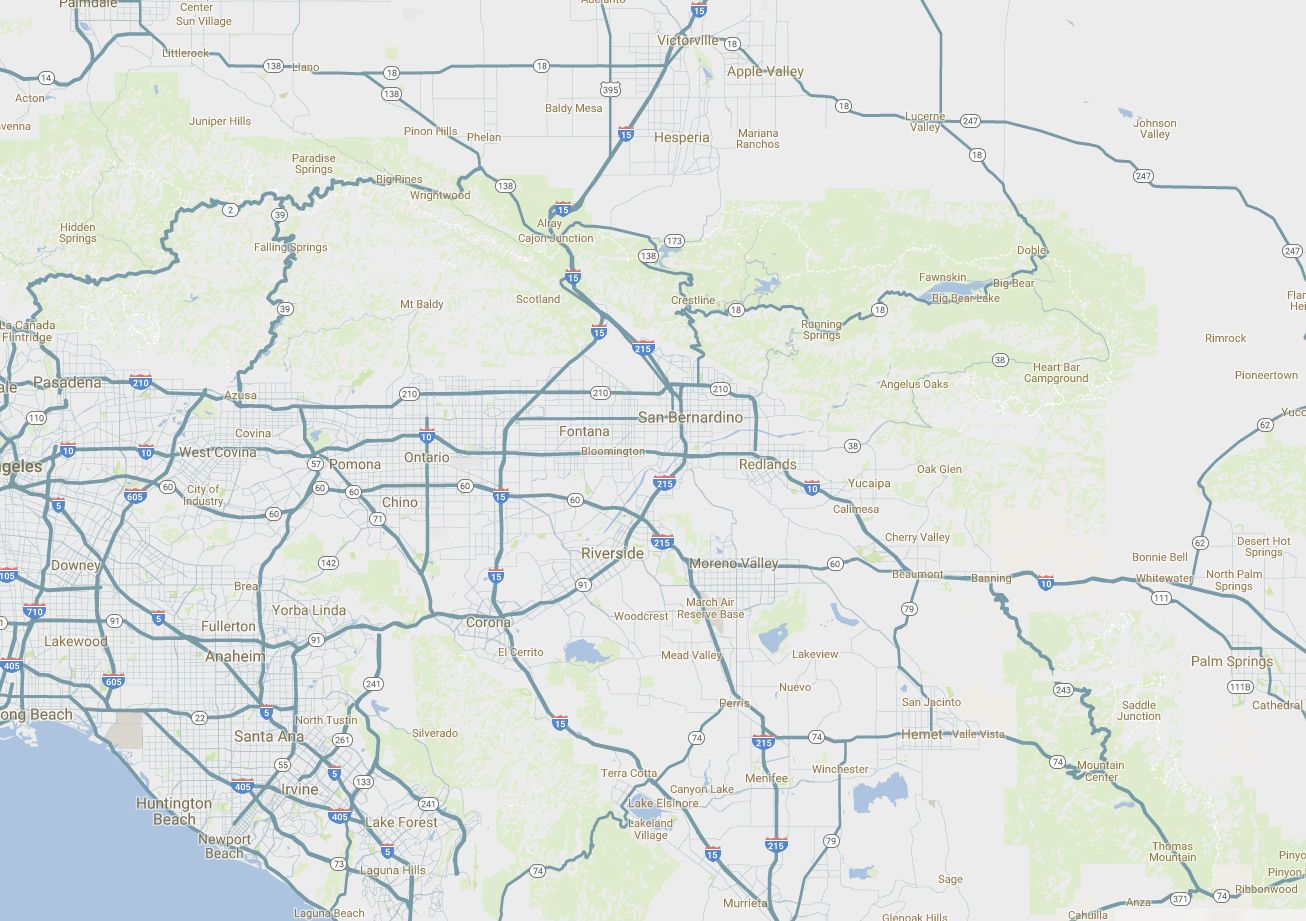
Serving Redlands, Riverside, San Bernardino, and the Inland Empire since 1949.