

Burgeson's Heating & Air Conditioning Blog

Protecting Indoor Air Quality During El NiNo and Wildfire Season

Protecting Indoor Air Quality During El NiNo and Wildfire Season

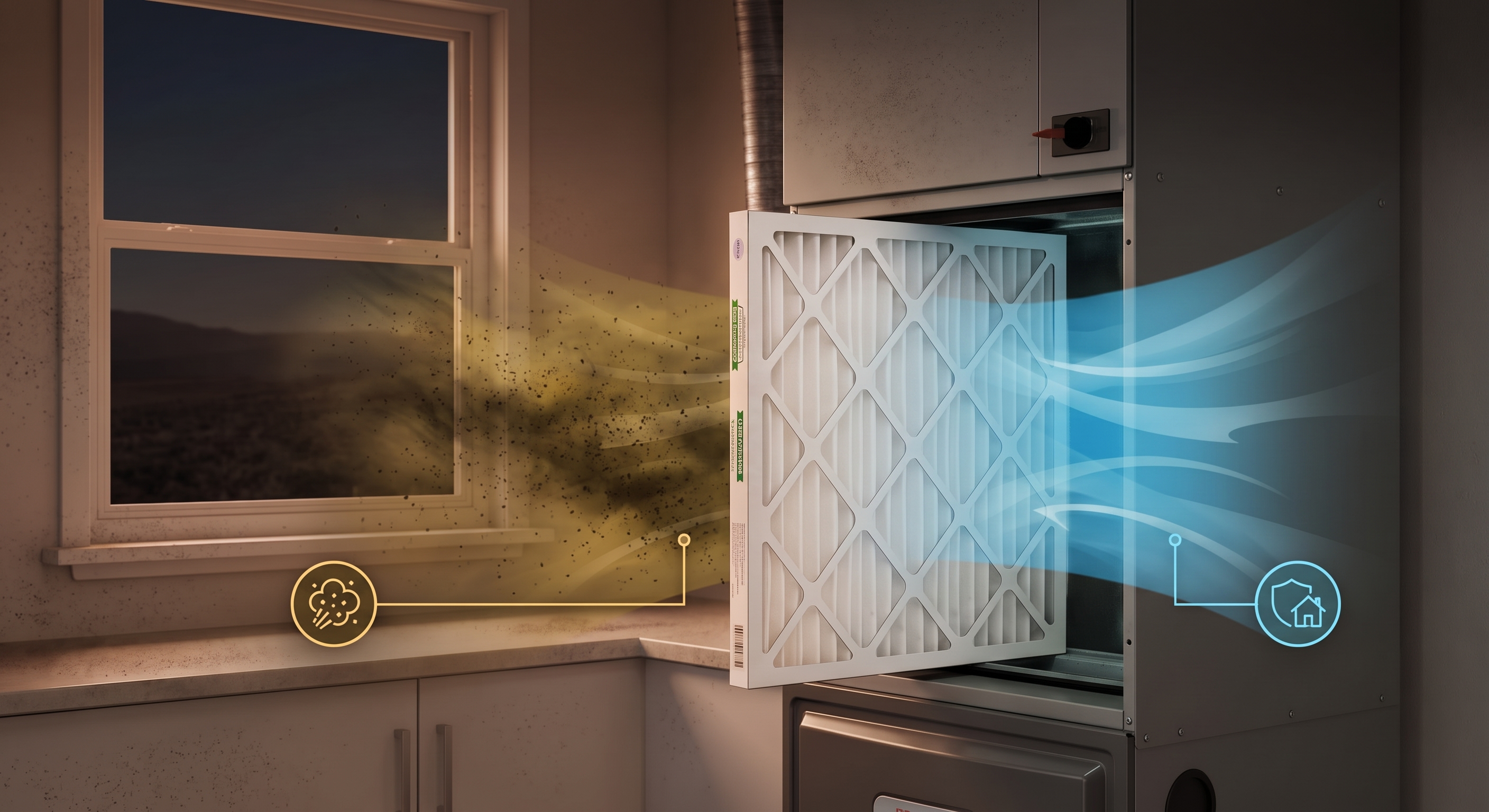
El Niño creates two distinct indoor air quality threats for Southern California homeowners: excess moisture from heavy rain that promotes growth from microorganisms such as mold, mildew, and bacteria, as well as dry, windy periods between storms that elevate wildfire risk and smoke. Managing indoor air quality (IAQ) through the El Niño season means addressing both. The right filtration, humidity control, and HVAC maintenance strategy can handle both scenarios from the same systems already in your home.
Southern California homeowners are used to thinking about wildfire smoke as a summer and fall concern. But El Niño winters create a paradox: heavy storm periods bring moisture and risk of microbial growth, while dry spells between storms, often accompanied by powerful Santa Ana winds, create elevated wildfire danger.
Your home's HVAC system is at the center of both problems. It's also the solution. Here's how to protect your family's indoor air quality through everything an El Niño winter can throw at your home.

Common AC Problems: How to Spot and Fix Them

Common AC Problems: How to Spot and Fix Them

In the summertime, air conditioning in California is a part of daily life, with most homeowners running their systems around the clock. And like with any piece of machinery, things can go wrong, leaving people hot and frustrated in the height of the summer heat.

What Are Mini-Split Ductless Heat Pumps and Are They Worth It?

Table of Contents

  • How Do Mini-Split Ductless Heat Pumps Work?
  • Where Are Mini-Split Ductless Heat Pumps Used?
  • Pros and Cons of Mini-Split Ductless Heat Pumps
  • Installation and Cost of Mini-Split Ductless Heat Pumps
  • Types of Mini-Split Ductless Heat Pumps

How Do Mini-Split Ductless Heat Pumps Work?

If you’re wondering, "What is a ductless heat pump?" here's the answer: A ductless heat pump is an energy-efficient HVAC system that provides heating and cooling without the need for ductwork.

Why Is My Outside AC Unit Frozen? A Tech from Southern California Explains

Why Is My Outside AC Unit Frozen? A Tech from Southern California Explains

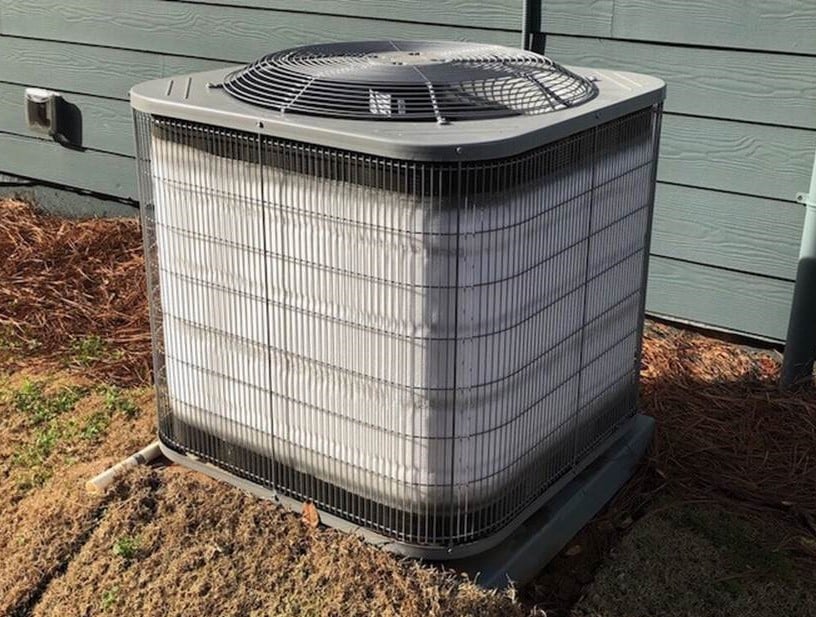
If your outside AC unit is frozen, that's not normal. Here’s a very simplified explanation for what’s happening. Your AC is freezing up because something in the system is causing your refrigerant temperatures to drop too low. This can cause the evaporator coil (part of the inside unit) and/or the condenser coil (part of the outside unit) to freeze. This often leads to your air conditioner icing up.

How Often Do I Need to Clean my AC Condenser Coil? A Southern California Tech Explains.

How Often Do I Need to Clean my AC Condenser Coil? A Southern California Tech Explains.

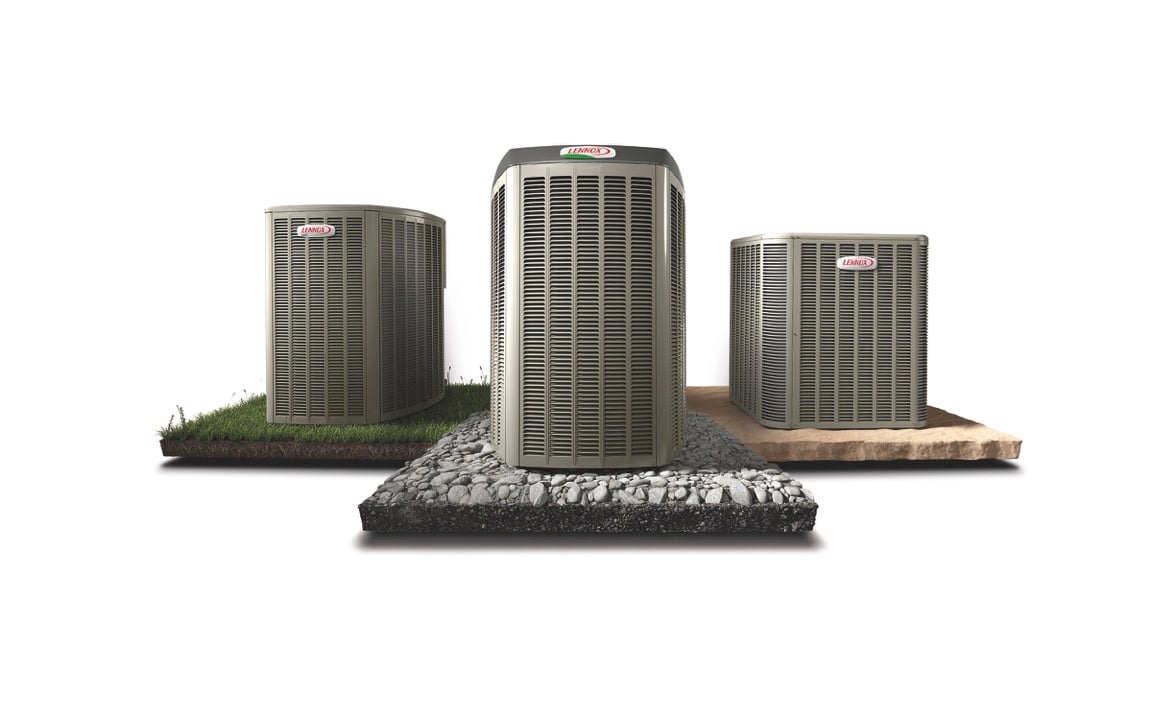
Your AC’s condenser coil is one of the most critical components of your cooling system—but it's also one of the most overlooked when it comes to regular maintenance.

What Size AC Do I Need? A Southern California Tech Explains

What Size AC Do I Need? A Southern California Tech Explains

Choosing the right AC size for your home isn’t just about square footage—multiple factors impact AC sizing, such as insulation levels, number of doors/windows, and your home’s layout. While square footage can help provide a rough estimate, it’s not enough to determine the exact AC size you need.

What's the Difference between an AC unit and an Air handler?

What's the Difference between an AC unit and an Air handler?

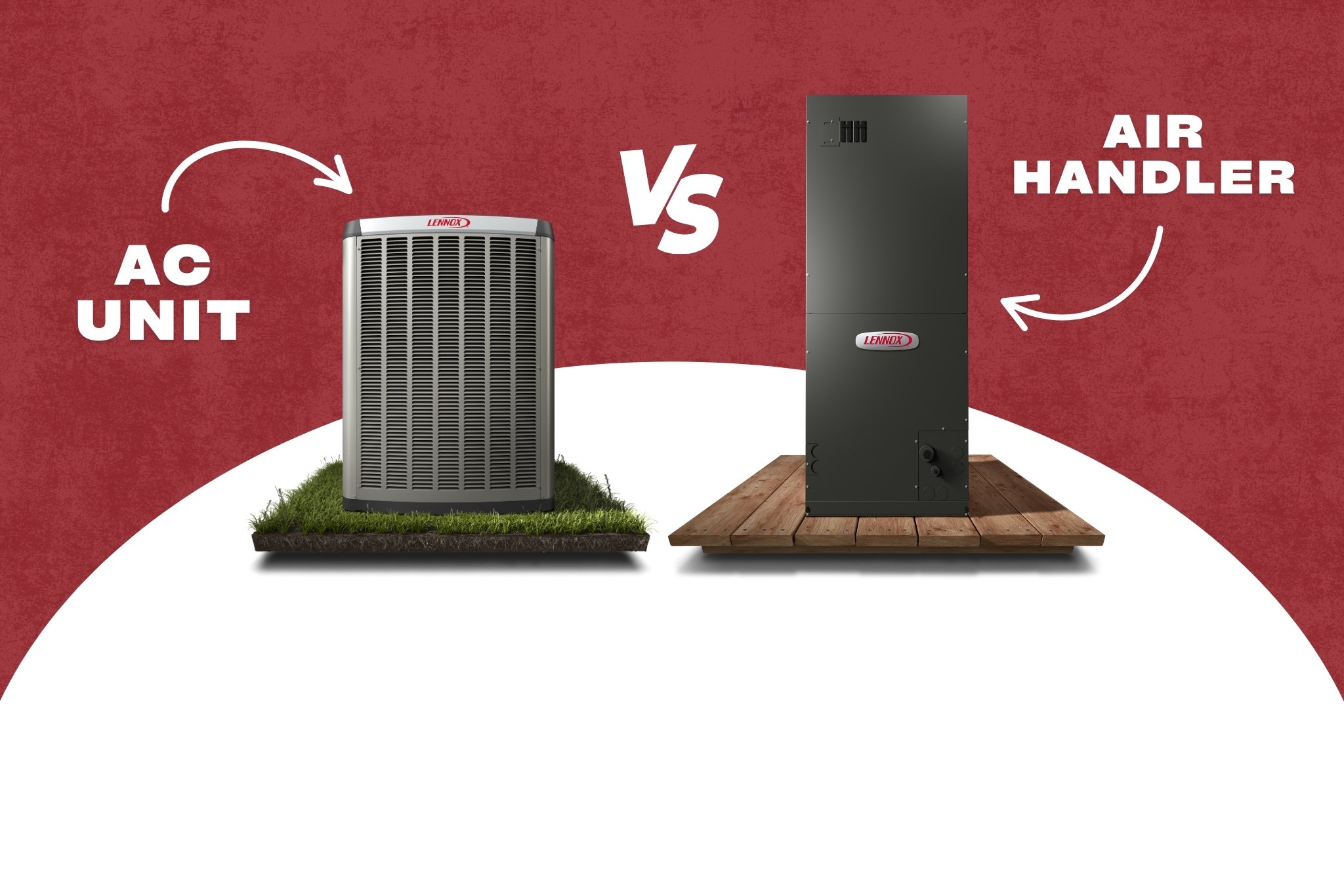
There has never been a better time to purchase a new HVAC system than now. HVAC system manufacturers have made it surprisingly convenient and affordable to heat and cool any living space, even if no ductwork is present. The only obstacle to finalizing a purchase is knowing what type of equipment to buy.

HVAC Equipment Prices to Surge in 2025: What New Regulations Mean for You

HVAC Equipment Prices to Surge in 2025: What New Regulations Mean for You

As 2025 approaches, homeowners should prepare for significant changes in the HVAC industry. New regulations and environmental policies will lead to HVAC price increases in 2025, affecting the cost of both equipment and services. At Burgeson’s Heating, A/C, Electrical, Solar & Plumbing, we want to keep our customers informed about these developments, so you can plan ahead and avoid surprises.

What You Should Know About the 2025 HVAC Refrigerant Changes

What You Should Know About the 2025 HVAC Refrigerant Changes

The HVAC industry is gearing up for a significant transition in 2025, driven by new EPA regulations aimed at environmental sustainability. These changes primarily focus on adopting new refrigerants and more efficient systems to reduce greenhouse gas emissions. If you’re a homeowner or business owner relying on HVAC systems, it’s important to understand how these new refrigerant changes will impact you.

What Is Refrigerant | Importance of Refrigerant for HVAC

What Is Refrigerant | Importance of Refrigerant for HVAC

If you live in a place where summers are scorching, then you know how much of a lifeline your air conditioner can be. But have you ever thought about what makes that refreshing, cool air possible? Fans, thermostats, and compressors help, but refrigerant is the key. So, what is refrigerant? Well, This essential substance is what allows your air conditioning system to transfer heat and keep your home comfortable, even on the hottest days.