
Variable Speed HVAC Systems: How They Work & Why They're Worth It
Variable speed HVAC technology has transformed home comfort in Southern California, and if you've been running an older single-stage system through Inland Empire summers, you're leaving real money and comfort on the table.
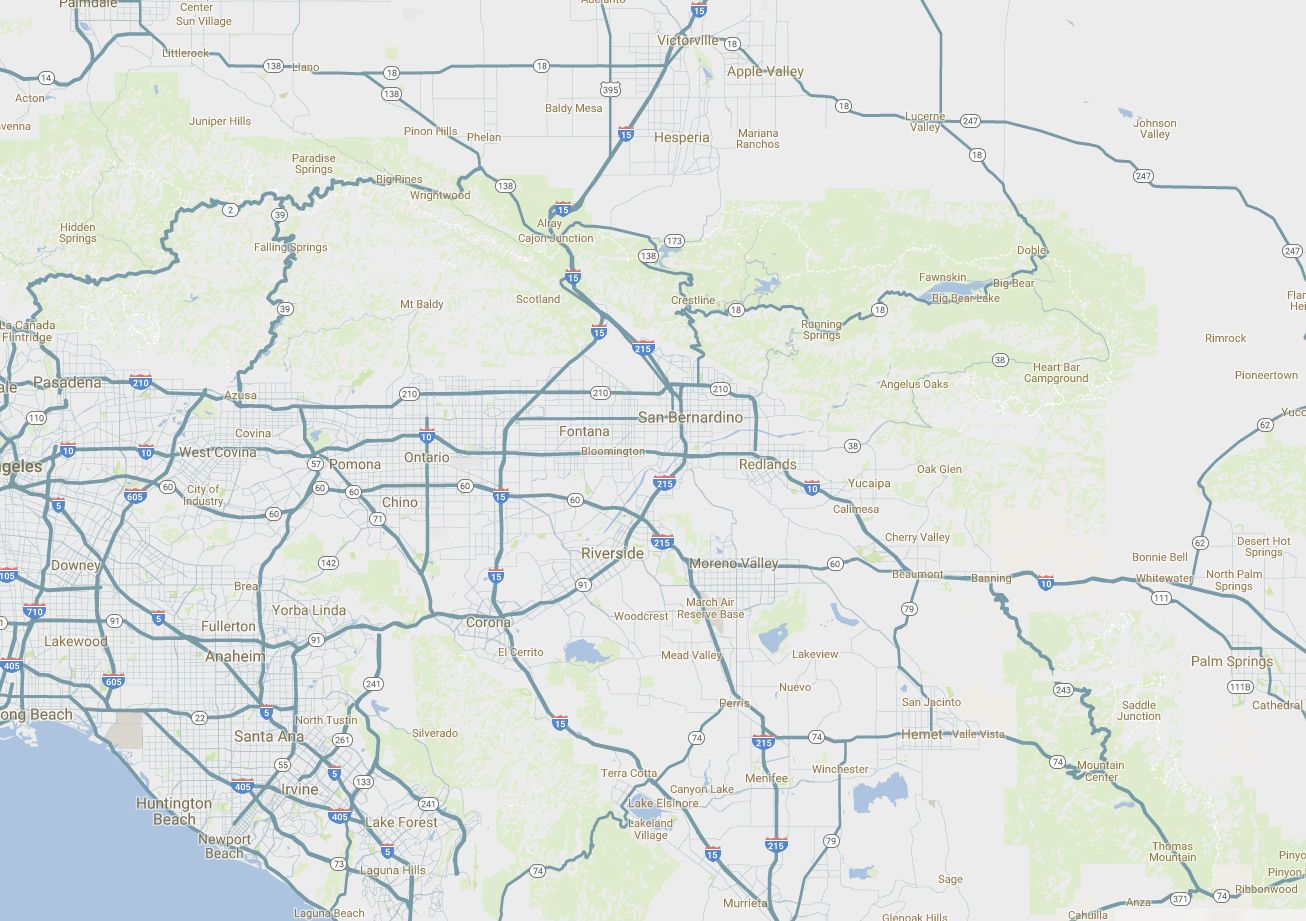
In this guide, Burgeson's Heating, A/C, Electrical, Solar & Plumbing breaks down exactly how variable speed systems work, how they compare to traditional equipment, and whether upgrading makes sense for your home in Redlands, Riverside, or anywhere across our service area.
In this guide, Burgeson's Heating, A/C, Electrical, Solar & Plumbing breaks down exactly how variable speed systems work, how they compare to traditional equipment, and whether upgrading makes sense for your home in Redlands, Riverside, or anywhere across our service area.
Jump to Sections:
What Is a Variable Speed HVAC System?
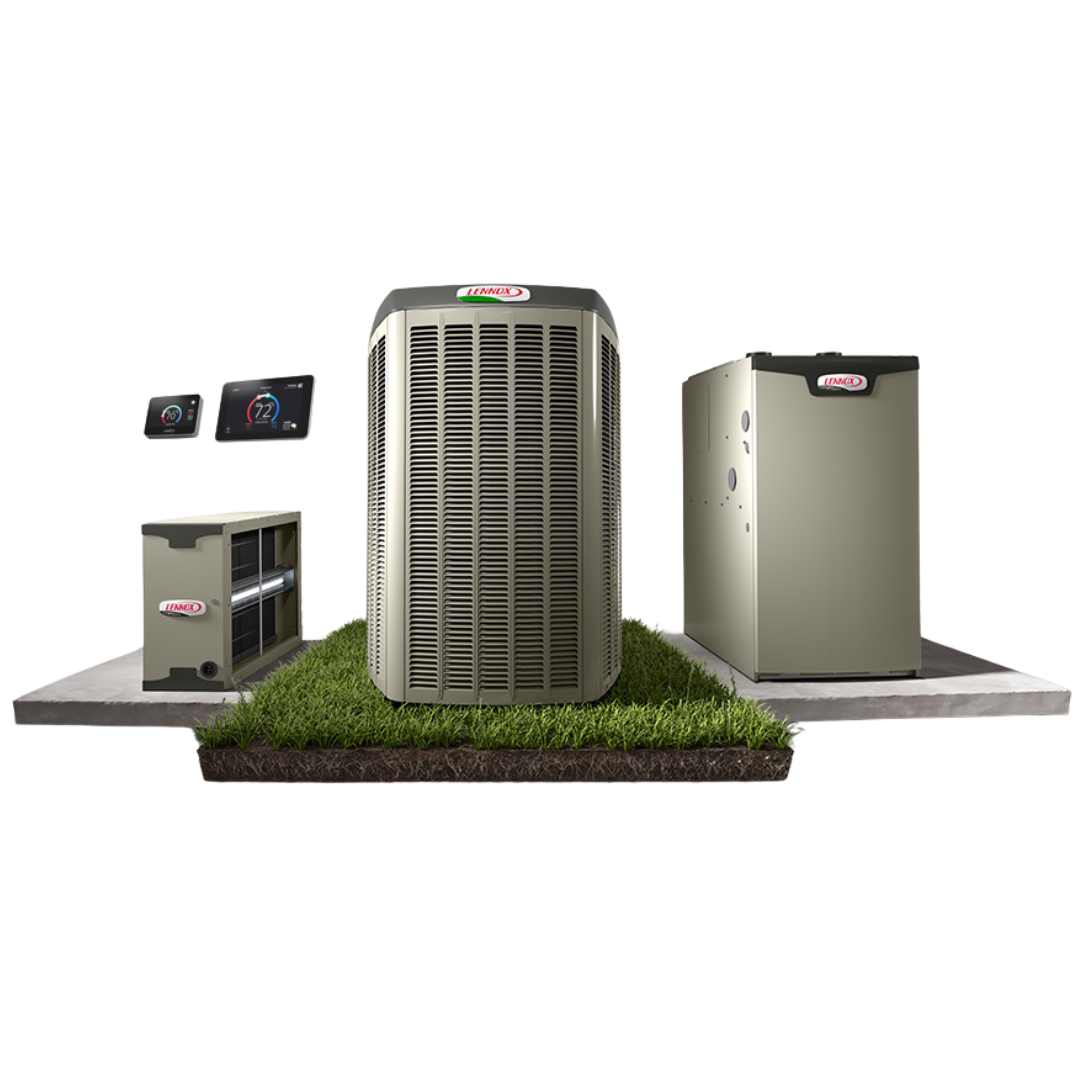
A variable speed HVAC system uses an inverter-driven compressor that can ramp its output up or down at anywhere from 35% to 100% capacity depending on what your home actually needs at any given moment. Traditional single-stage systems are either fully on or fully off, like a light switch. Variable speed systems are more like a dimmer, dialing in just the right amount of heating or cooling to maintain your set temperature.
The inverter works by converting the incoming electrical current and supplying a precisely controlled voltage to the motor. That means instead of the system blasting at full power until it reaches your thermostat setting and then shutting off, it runs continuously at a lower, steadier speed.
The inverter works by converting the incoming electrical current and supplying a precisely controlled voltage to the motor. That means instead of the system blasting at full power until it reaches your thermostat setting and then shutting off, it runs continuously at a lower, steadier speed.
Efficiency and Energy Savings
Because the compressor doesn't have to restart from zero repeatedly throughout the day, variable speed systems use significantly less energy. Starting up a motor requires a large initial electrical draw known as inrush current, and traditional systems repeat that energy spike every time they cycle on. Variable speed systems avoid that waste by staying in motion at a low, efficient level.
For Southern California homeowners typically running air conditioning from May through October, those savings compound quickly. Depending on the efficiency rating (SEER2) of the system you choose, a variable speed unit can reduce cooling energy use by 30–50% compared to an older single-stage model.
For Southern California homeowners typically running air conditioning from May through October, those savings compound quickly. Depending on the efficiency rating (SEER2) of the system you choose, a variable speed unit can reduce cooling energy use by 30–50% compared to an older single-stage model.
Superior Comfort and Humidity Control
Efficiency is only half the story. Variable speed systems run longer cycles at lower capacity, which has a direct impact on indoor comfort:
- Precise temperature control: Variable speed systems can maintain your set temperature within a fraction of a degree, compared to the ±2–4°F swings common with single-stage units.
- Better dehumidification: Longer run times mean the evaporator coil has more time to pull moisture from the air. In Southern California's hot months, this can make a significant difference in how comfortable your home actually feels, not just what the thermostat reads.
- Quieter operation: Running at partial capacity means the system moves air more gently, reducing blower noise throughout the day.
Is a Variable Speed System Right for Your Southern California Home?
Variable speed technology makes the most sense for homeowners who prioritize long-term savings and comfort over the lowest possible upfront cost. If your current system is 10+ years old or you're noticing uneven temperatures, high humidity indoors, or rising energy bills, a variable speed upgrade is worth serious consideration.
Burgeson's offers flexible financing options to make upgrading more accessible. Ask our Comfort Advisors about current programs when you schedule your free consultation.
Ready to find out if variable speed is right for you? Call Burgeson's at (909) 792-2222 or request an appointment online. Our certified technicians serve Redlands, Riverside, San Bernardino, and the surrounding Inland Empire.
Burgeson's offers flexible financing options to make upgrading more accessible. Ask our Comfort Advisors about current programs when you schedule your free consultation.
Ready to find out if variable speed is right for you? Call Burgeson's at (909) 792-2222 or request an appointment online. Our certified technicians serve Redlands, Riverside, San Bernardino, and the surrounding Inland Empire.
Frequently Asked Questions
What is a variable speed HVAC system?
A variable speed system uses an inverter-driven compressor that adjusts its speed continuously based on your home's heating or cooling demand, rather than simply cycling on and off at full power.
How much energy can a variable speed system save?
Most homeowners see a 30%–50% reduction in cooling and heating energy use compared to older single-stage equipment, depending on local climate conditions and the SEER2 rating of the new system.
Is a variable speed system worth the higher cost?
In most Southern California climates—where air conditioning runs heavily for five to six months of the year—the energy savings typically offset the additional upfront cost within a few years. Combined with available rebates and tax credits, the investment often pencils out very favorably.