

What Are Sewer Line & Drain Cleanouts
If you’ve ever dealt with a clogged drain or a sewer backup, you know how frustrating and messy it can be. A drain cleanout or sewer line cleanout is a critical part of your home’s plumbing system and can save you from costly repairs. These access points make it easier to maintain your drains and keep your plumbing running smoothly.
In this blog, you’ll learn what a sewer line cleanout is, why plumbing drain cleanouts are essential, and how to maintain them to avoid plumbing headaches. Whether you’re dealing with a slow drain or want to prevent future problems, understanding main sewer line cleanouts can make all the difference.
Jump to Sections:
- What is a Sewer Line or Drain Cleanout?
- Why Cleanouts Are Important?
- How Sewer Line/Drain Cleanouts Work?
- Signs You Might Need a Cleanout Access
- DIY vs. Professional Use
- Tips to Maintain Your Cleanouts
WHAT IS A SEWER LINE OR DRAIN CLEANOUT?
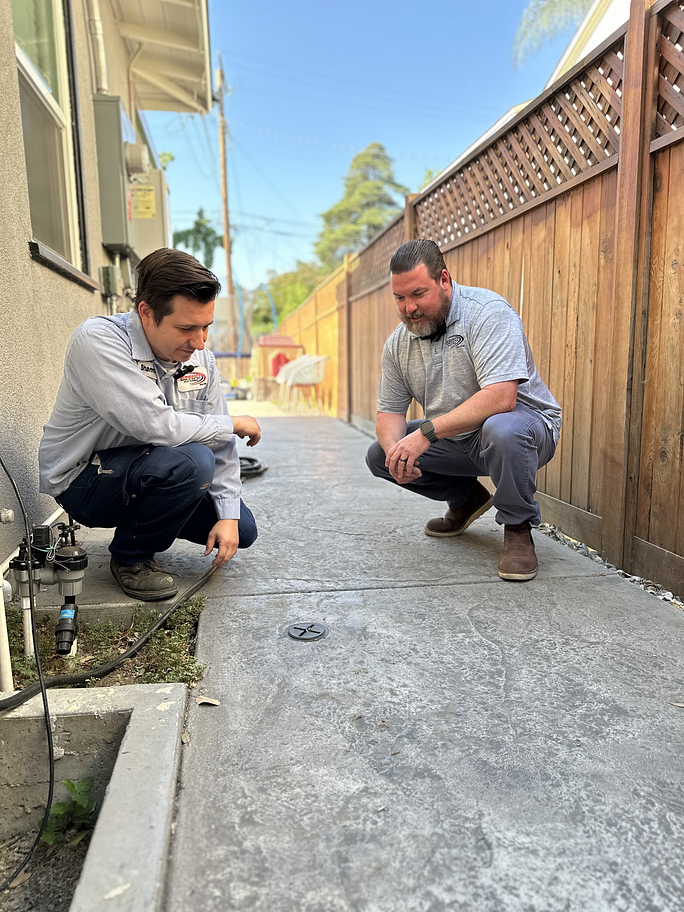
A drain cleanout is an access point in your home’s plumbing system designed to allow plumbers—or sometimes homeowners—to clear blockages and maintain sewer or drain lines. A sewer line cleanout serves the entire plumbing system and provides direct access to the main sewer line, making it easier to address clogs or perform inspections. Similarly, a plumbing drain cleanout is used for smaller drain lines, like those connected to sinks, washing machines or showers.
Types of Cleanouts:
1. Vertical vs. Horizontal Cleanouts: Vertical cleanouts connect straight down into the line, while horizontal cleanouts run parallel to the ground and offer side access.
2. Indoor vs. Outdoor Cleanouts: Some homes have interior cleanouts in basements or crawl spaces, while others are located outdoors near the main sewer line.
Common Locations:
1. Basement: Often near floor drains or main plumbing stacks.
2. Yard: Near the main sewer line cleanout, typically marked by a capped pipe.
3. Exterior Wall: Close to where the sewer line exits the home.
Understanding where your drain cleanout or sewer line cleanout is located is the first step to maintaining a healthy plumbing system.
WHY CLEANOUTS ARE IMPORTANT?
A plumbing drain cleanout or sewer line cleanout is essential for keeping your plumbing system functional and preventing costly issues. Here’s why they matter:
1. Easy Plumbing Access: Cleanouts allow plumbers to quickly reach clogged pipes, making it easier to prevent sewer backup without invasive digging or dismantling.
2. Prevents Major Sewer Backups: A main sewer line cleanout provides a direct path to clear blockages, reducing the risk of sewage flooding your home.
3. Supports Routine Maintenance: Regular use of a drain cleanout for inspections or cleaning helps maintain drains, keeping your system efficient.
4. Cost Savings: By addressing clogs early through a sewer line cleanout, you can avoid expensive repairs caused by backups or pipe damage.
In Southern California, where tree roots and debris can infiltrate pipes, a plumbing drain cleanout is a lifesaver for maintaining your home’s plumbing.
HOW SEWER LINE/DRAIN CLEANOUTS WORK?
A drain cleanout or main sewer line cleanout simplifies the process of clearing blockages and maintaining your plumbing system. Here’s a step-by-step look at how plumbers or homeowners use cleanouts to prevent or clear a plumbing backup:
1. Open the Cleanout Cap: The cap on the sewer line cleanout or plumbing drain cleanout is removed to access the pipe.
2. Use a Drain Snake or Hydro-Jetting Equipment: A drain snake is inserted to break up clogs. Hydro-jetting uses high-pressure water to clear stubborn blockages.
3. Clear the Blockage: The clog is dislodged or flushed out, restoring proper flow.
4. Close and Secure the Cap: The cleanout cap is replaced tightly to prevent leaks or debris entry.
SAFETY TIPS:
1. Wear gloves to protect your hands from debris or sewage.
2. Use proper tools, like a drain snake or auger, designed for plumbing.
3. Avoid chemical cleaners, as they can damage pipes or harm the environment.
4. Ensure the area is well-ventilated when working on a drain cleanout.
Knowing how sewer and drain line cleanouts work enables you to have your plumbing system maintained effectively.
SIGNS YOU MIGHT NEED A CLEANOUT ACCESS
Recognizing when to use a drain cleanout or sewer line cleanout can prevent minor clogs from becoming major problems. Look for these signs:
1. Recurring Clogs in Multiple Drains: If multiple sinks, showers, or toilets are clogged, it may indicate a blockage in the main sewer line cleanout.
2. Slow-Draining Sinks, Tubs, or Toilets: Persistent slow drainage suggests a clog that may require a plumbing drain cleanout.
3. Gurgling Sounds or Sewage Odors: Strange noises or foul smells from drains point to blockages or sewer issues.
4. Standing Water in Yard: Puddles or soggy patches near the sewer line cleanout may indicate a sewer line blockage.
If you notice these issues, accessing your drain cleanout or calling a professional can prevent costly damage.
DIY VS. PROFESSIONAL USE
While some drain cleanout tasks can be handled by homeowners, others require professional drain cleaning. Here’s a breakdown:
What Homeowners Can Do:
1. Basic Snaking: Use a manual drain snake or Zip-It tool through a plumbing drain cleanout to clear minor clogs in sinks or showers.
2. Inspection: Check the drain cleanout cap for accessibility and remove surface debris.
3. DIY Cleanout Tips: Always turn off water, wear protective gear, and avoid forcing tools, which can damage pipes.
When to Call a Plumber:
1. Major Backups: Large clogs or sewage backups require professional tools like hydro-jets or sewer cameras.
2. Multiple Clogs: Simultaneous clogs in multiple drains suggest a main sewer line cleanout issue.
3. Complex Issues: Tree roots, pipe corrosion, or deep blockages need expert intervention to prevent sewer backup.
For complex issues, professional plumbers offer advanced solutions like camera inspections and hydro-jetting, ensuring your sewer line cleanout is used effectively. Visit our drain and sewer services page for expert help.
TIPS TO MAINTAIN YOUR CLEANOUTS
Proper maintenance of your drain cleanout or sewer line cleanout ensures easy access and can prevent plumbing emergencies. Follow these tips:
1. Keep the Cap Accessible: Clear debris, dirt, or plants around the main sewer line cleanout to ensure easy access.
2. Avoid Grease or Solid Waste: Prevent clogs by keeping grease, food scraps, hair, or other solids out of drains.
3. Regular Inspections: Check for tree root intrusion or pipe corrosion near the plumbing drain cleanout every 6–12 months.
4. Mark or Label Cleanouts: Clearly mark your sewer and drain cleanout locations for quick access during emergencies.
These steps help maintain drains and reduce the need for frequent professional drain cleaning.
Need Help with Your Sewer Line or Drain Cleanout?
A drain cleanout or sewer line cleanout is critical for accessing blockages and maintaining a healthy plumbing system. Whether you’re dealing with a clog or want to ensure your main sewer line cleanout is ready for action, proper care can save you time and money.
At Burgeson’s, our expert plumbers specialize in clearing clogs and maintaining plumbing drain cleanouts to keep your system running smoothly. For expert drain and sewer services or call 909-792-2222 to schedule a consultation today!
Burgeson’s Heating, A/C, Electrical, Solar & Plumbing - your trusted experts since 1949.