

WHAT SIZE HEAT PUMP DO I NEED FOR MY HOME?
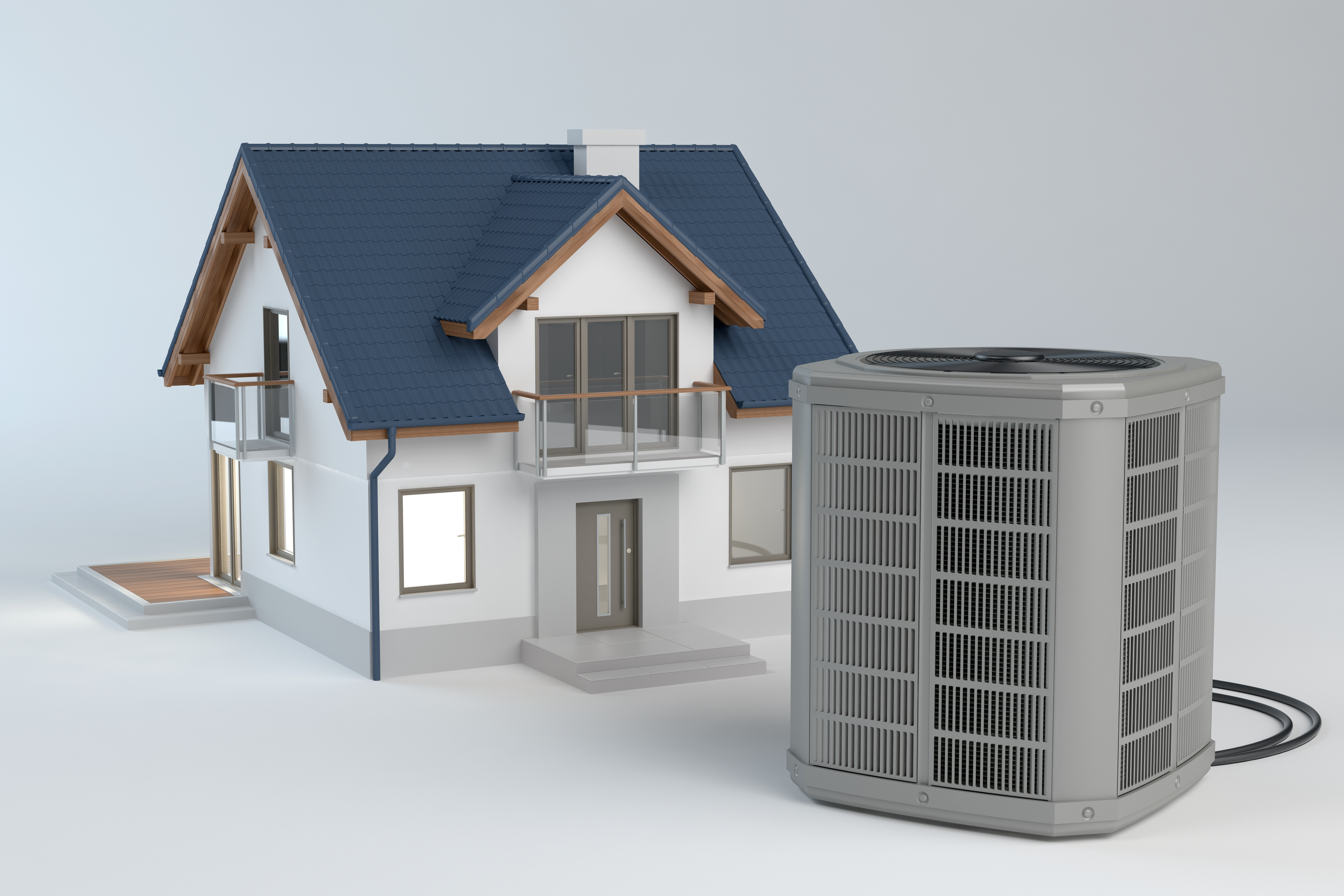
Choosing the right heat pump size is one of the most important decisions you will make for home comfort. Too small and your system struggles. Too large and you pay more than you should for equipment and energy. This buyer's guide explains how heat pump sizing works and how to get it right the first time.
Jump to a section
- Why Heat Pump Size Matters
- What Is Heat Pump Sizing
- Factors That Affect Heat Pump Size
- Common Heat Pump Sizes by Home Type
- Why Bigger Is Not Always Better
- How Professionals Determine the Right Heat Pump Size
- Energy Efficiency Ratings to Consider
- How to Estimate the Right Heat Pump Size Yourself
- When to Replace or Upsize Your Current Heat Pump
- Cost of Installing the Right Sized Heat Pump
- Get Expert Help with Heat Pump Sizing
WHY HEAT PUMP SIZE MATTERS
Heat pump size directly affects comfort, efficiency, and monthly energy bills. A properly sized system runs longer and steadier cycles. This keeps indoor temperatures consistent and improves humidity control.
An undersized heat pump may run constantly without ever reaching the thermostat setting. This leads to higher energy use and uneven heating or cooling. An oversized system turns on and off too quickly. This wastes energy, increases wear and tear, and often leaves the home feeling clammy rather than comfortable.
An undersized heat pump may run constantly without ever reaching the thermostat setting. This leads to higher energy use and uneven heating or cooling. An oversized system turns on and off too quickly. This wastes energy, increases wear and tear, and often leaves the home feeling clammy rather than comfortable.
WHAT IS HEAT PUMP SIZING?
Heat pump size is measured in British Thermal Units or BTUs. One ton of heating or cooling capacity equals 12,000 BTUs per hour. For example, a two ton heat pump provides about 24,000 BTUs.
HVAC professionals rely on a process called a Manual J load calculation. This method evaluates how much heating and cooling a home actually needs based on construction details, climate, and layout. It is far more accurate than guessing by square footage alone.
HVAC professionals rely on a process called a Manual J load calculation. This method evaluates how much heating and cooling a home actually needs based on construction details, climate, and layout. It is far more accurate than guessing by square footage alone.
FACTORS THAT AFFECT HEAT PUMP SIZE
SQUARE FOOTAGE OF YOUR HOME
A common rule of thumb is one ton of capacity for every 500 to 600 square feet of living space. While this can provide a starting point, it is only a rough estimate. Two homes with the same square footage can require very different heat pump sizes.
CLIMATE ZONE AND TEMPERATURE RANGE
Local climate plays a major role in heat pump sizing. Homes in mild coastal California climates have different demands than homes in colder Midwest regions. The wider the temperature swings, the more capacity your system may need.
HOME INSULATION AND AIR LEAKS
Insulation quality and air sealing have a huge impact on heat loss and heat gain. Well insulated attics, sealed ductwork, and energy efficient windows can reduce the required heat pump size. Poor insulation or air leaks often mean higher capacity is needed.
CEILING HEIGHT AND HOME LAYOUT
Homes with high ceilings or open floor plans require more energy to condition the air. Multi story homes can also present airflow challenges that influence system sizing.
WINDOWS, DOORS, AND SUN EXPOSURE
Large windows, sliding doors, and rooms that face direct sunlight increase cooling loads. Shaded homes or those with fewer windows often need less capacity.
COMMON HEAT PUMP SIZES BY HOME TYPE
| Home Size | Estimated Size | Approx. BTUs |
|---|---|---|
| 1,000 sq ft | 1.5 tons | 18,000 BTU |
| 1,500 sq ft | 2 tons | 24,000 BTU |
| 2,000 sq ft | 2.5 tons | 30,000 BTU |
| 2,500 sq ft | 3 tons | 36,000 BTU |
| 3,000 plus sq ft | 3.5 to 5 tons | 42,000 to 60,000 BTU |
These figures are general guidelines. Actual sizing varies based on insulation, climate, and home design.
WHY BIGGER IS NOT ALWAYS BETTER
An oversized heat pump may seem like a safe choice, but it often creates problems. Short cycling reduces efficiency and increases utility costs. The system does not run long enough to properly remove humidity, which can make the home feel uncomfortable. Over time, frequent starts and stops can shorten the lifespan of the equipment.
HOW PROFESSIONALS DETERMINE THE RIGHT HEAT PUMP SIZE
HVAC professionals use Manual J calculations along with advanced software tools. They inspect insulation levels, measure windows, evaluate ductwork, and account for local weather data. This detailed approach ensures the heat pump is matched precisely to the home.
ENERGY EFFICIENCY RATINGS TO CONSIDER
When selecting a heat pump, efficiency ratings matter. SEER2 measures cooling efficiency, while HSPF2 measures heating performance. ENERGY STAR certified systems meet strict efficiency standards and often qualify for rebates. Higher efficiency systems can sometimes meet comfort needs with slightly smaller capacities.
HOW TO ESTIMATE THE RIGHT HEAT PUMP SIZE YOURSELF
Homeowners can use an online heat pump size calculator for a rough estimate. Start by measuring total square footage. Note insulation levels, ceiling height, window size, and local climate. While this will not replace a professional assessment, it can help you understand your options before scheduling an evaluation.
WHEN TO REPLACE OR UPSIZE YOUR CURRENT HEAT PUMP
Signs your current heat pump may be the wrong size include rising energy bills, uneven temperatures, frequent cycling, or rooms that never feel comfortable. If your system is older and struggles to keep up, it may be time to replace it with a properly sized unit.
COST OF INSTALLING THE RIGHT SIZED HEAT PUMP
Installation costs vary by system size, efficiency rating, and home requirements. Smaller systems generally cost less upfront, while larger or high efficiency systems require a higher investment. However, the right sized heat pump delivers long term savings through lower energy use and fewer repairs.Additional costs could be incurred if ductwork needs to be repaired or replaced and/or your electrical panel needs to be upgraded.
GET EXPERT HELP WITH HEAT PUMP SIZING
Professional sizing is the best way to ensure comfort and performance. Burgeson’s has been family owned and operated for 77 years, providing trusted HVAC solutions to homeowners. Our experts perform detailed load calculations and install systems designed for lasting efficiency.
Learn more about our professional services by visiting our heat pump installation page. When you are ready for accurate sizing and dependable installation, Burgeson’s is here to help.
Learn more about our professional services by visiting our heat pump installation page. When you are ready for accurate sizing and dependable installation, Burgeson’s is here to help.