
What to Do When Municipal Water Filtration Fails: A Practical Guide for Southern California Homeowners
Municipal water systems across California meet state and federal safety standards the vast majority of the time, but 'meets standards' and 'completely free of concern' are two different things. Boil water advisories, aging infrastructure, PFAS contamination in groundwater, and hard minerals that damage your home's plumbing are all realities for many Inland Empire homeowners. Here's what the risks actually are and what you can do about them at home.
Jump to a Section:
Most of us don't think about our water until something goes wrong. A boil water notice shows up in the news. Someone mentions PFAS. The water tastes a little off, or there are spots on every glass and dish no matter how many times you wash them. Then suddenly, the question of what's actually coming out of your tap becomes a lot more urgent. Southern Californian homeowners have been through enough drought years, infrastructure failures, and water quality scares to know that relying entirely on the municipal system isn't always enough. This guide explains the actual risks in plain language and gives you practical options to protect your household.
Is Southern California Tap Water Actually Safe?
The honest answer is: for most people in most circumstances, yes with caveats.
Southern California's major water providers, including those serving the Inland Empire through the Metropolitan Water District (MWD), routinely meet all 106 regulated contaminant limits set by the EPA and the California State Water Resources Control Board. That's a legitimate achievement for systems serving millions of people across hundreds of miles of aging infrastructure.
But 'legal' and 'optimal' are different standards. Independent testing by the Environmental Working Group (EWG) has found that Southern California water systems routinely contain multiple contaminants at levels that meet EPA legal limits but exceed more conservative health-based guidelines, including arsenic, nitrates, and disinfection byproducts. In Orange County, more than 100 wells have exceeded the EPA's new PFAS standards finalized in April 2024. Fixing that contamination is estimated to cost $1.8 billion over 30 years.
Additionally, the California State Water Board updated its PFAS advisory levels in October 2025, reflecting evolving science on the health effects of these compounds. The regulatory landscape around water quality is tightening, which is good news in the long run, but means homeowners may be hearing about more issues, not fewer, in the years ahead.
For healthy adults consuming occasional tap water, acute risk is low. For households with young children, pregnant women, immune-compromised members, or anyone consuming tap water as their primary daily source, understanding what's in your water and having a home filtration plan is a reasonable precaution.
What Is a Boil Water Advisory?
A boil water advisory (also called a boil water notice) is issued by a water utility or public health authority when testing detects or circumstances suggest the possible presence of harmful bacteria, viruses, or parasites in the water supply.
These are issued more often than most people realize. In May 2025, approximately 46,000 residents across California's Central Coast Five Cities area received a boil water advisory after coliform bacteria was detected in multiple water samples from the Lopez distribution system, the first such notice in that system's history. The cause? Still under investigation.
Causes of boil water advisories can include:
- Loss of pressure in the distribution system (allows potential contaminants to enter)
- Routine sampling that detects coliform or other bacterial indicators
- Infrastructure failures - main breaks, treatment plant upsets
- Flooding or major storm events that overwhelm treatment capacity
- Wildfire impacts on watershed or infrastructure
What to Do During a Boil Water Advisory
If a boil water advisory is issued for your area, follow these steps until officials confirm it has been lifted:
- Boil all water used for drinking, making ice, cooking, or brushing teeth. Bring water to a rolling boil for at least one minute before use.
- Do not rely on standard water filters or refrigerator filters during a boil notice. Most home filters (including pitcher-style and refrigerator filters) do not remove bacteria and viruses and can actually concentrate them. During an active advisory, boiling is required.
- Use bottled water for drinking and food prep if boiling is not feasible.
- You can continue to bathe and shower but avoid swallowing any water. Use extra caution with young children and infants.
- Wash dishes with boiled or bottled water, or run your dishwasher on the sanitize cycle if it reaches 160°F.
- Flush your home plumbing after the advisory is lifted. Run cold water faucets for 2–3 minutes to clear any potentially contaminated water from household pipes.
- Flush and sanitize your water filtration system per manufacturer instructions after the advisory ends.
Important Note on Home Filters During Boil Advisories:
Standard pitcher filters, refrigerator filters, and even many under-sink filters do NOT protect against bacteria and viruses during a boil advisory. Reverse osmosis (RO) systems with a properly functioning membrane may remove some pathogens, but most health authorities still recommend boiling during an active advisory. Always follow your local utility's specific guidance.
PFAS and Emerging Contaminants: What You Should Know
PFAS (per- and polyfluoroalkyl substances), sometimes called 'forever chemicals,' are a class of synthetic compounds used in manufacturing, firefighting foam, and countless consumer products. They don't break down in the environment, which means they've accumulated in water sources across the country, including many in Southern California.
In April 2024, the EPA finalized the first federal drinking water standards for PFAS, setting maximum contaminant levels (MCLs) for six PFAS compounds with an initial compliance deadline of 2029 (with some modifications being considered for 2031). California's State Water Board issued updated PFAS advisory levels in October 2025.
For Inland Empire homeowners: your utility's annual Consumer Confidence Report (CCR), mailed each July, lists all regulated contaminants detected in your water and their levels. You can also search the California State Water Resources Control Board's PFAS database online to find testing results for your specific water system.
If PFAS is detected in your system, even at levels below the current regulatory limits, a reverse osmosis system with NSF/ANSI 58 certification is the most effective point-of-use solution available to homeowners.
Hard Water: The Everyday Infrastructure Problem
Even when Southern California water is perfectly safe to drink from a public health standpoint, it can still be damaging your home. The Inland Empire has some of the hardest water in the region. Water that's high in dissolved calcium and magnesium builds up inside pipes, water heaters, dishwashers, washing machines, and every appliance connected to your plumbing.
Over time, mineral scale can:
- Narrow pipe interiors, reducing water pressure and flow
- Coat water heater heating elements, forcing them to use 25–30% more energy
- Shorten the lifespan of appliances by 25–50% compared to households with soft water
- Require more detergent and soap to produce a lather, increasing household costs
This is an efficiency and maintenance issue that quietly costs Inland Empire homeowners significantly more money over the years. A whole-home water softener or a whole-home water filter/conditioner are the most effective solutions.
Your Home Water Filtration Options Compared
The right water filtration solution depends on what you're trying to address. Here's a practical comparison:
| Solution | What It Addresses | What It Doesn't Cover | Best For |
|---|---|---|---|
| Pitcher / Countertop Filter | Chlorine taste, sediment, some heavy metals | Bacteria, viruses, PFAS, hard water minerals | Basic taste improvement |
| Under-Sink Carbon Filter | Chlorine, VOCs, some heavy metals, taste | Bacteria, viruses, PFAS (without RO) | Improving drinking water quality |
| Reverse Osmosis (RO) | PFAS, heavy metals, dissolved solids, nitrates | Whole-home protection; treats one tap only | PFAS / contaminant concerns at one point of use |
| Whole-Home Water Softener | Hard water minerals (calcium, magnesium) | Bacteria, viruses, chemical contaminants | Scale buildup, appliance protection |
| Whole-Home Filtration System | Sediment, chlorine, scale, some contaminants throughout home | Full pathogen protection (add UV for that) | Comprehensive whole-home water quality |
| UV Purification System | Bacteria, viruses, parasites | Chemical contaminants, hard water minerals | Post-boil advisory, immune-compromised households |
Note: Systems can and often should be combined for comprehensive protection. Burgeson's can recommend the right combination for your household's specific water quality profile and budget.
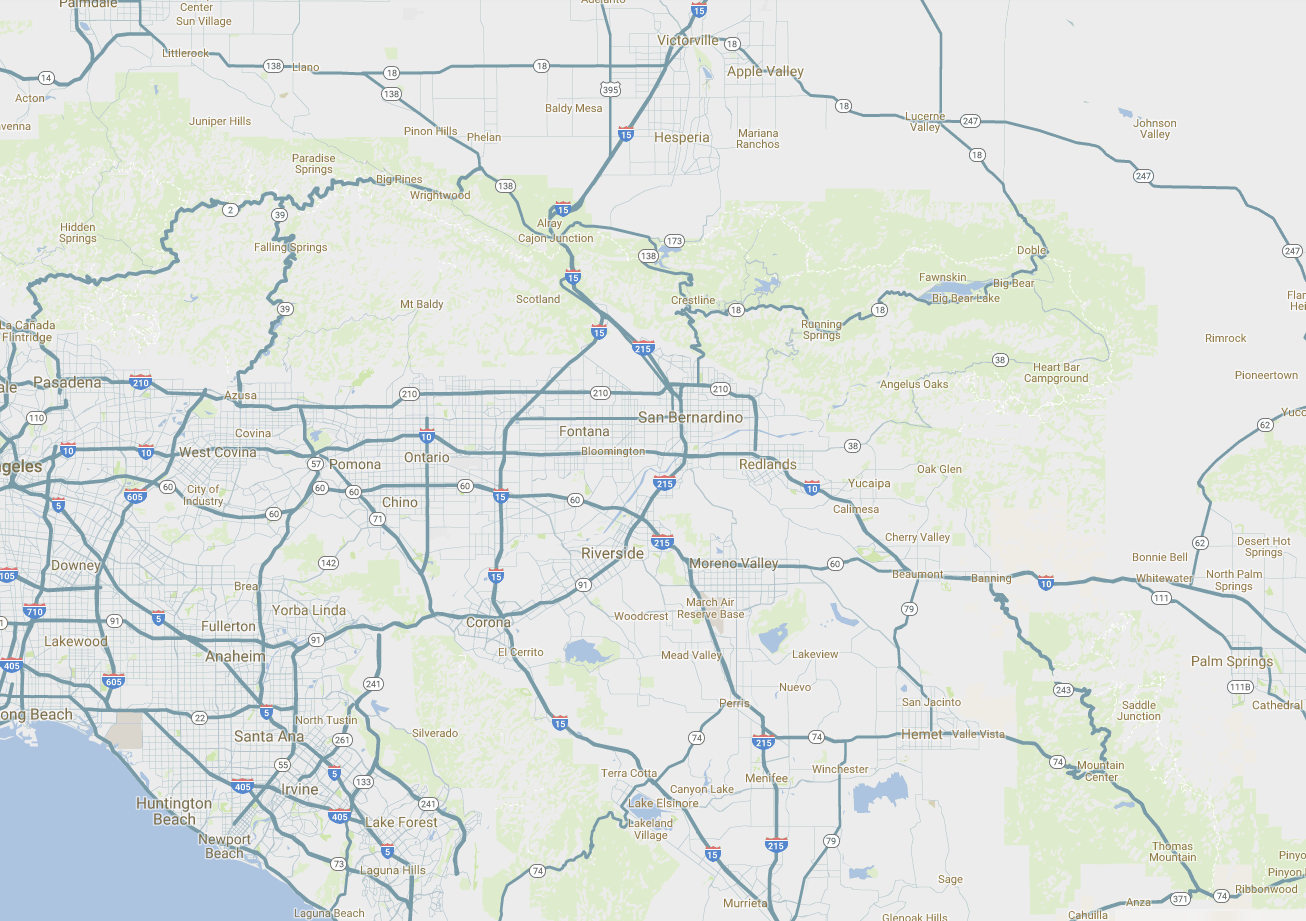
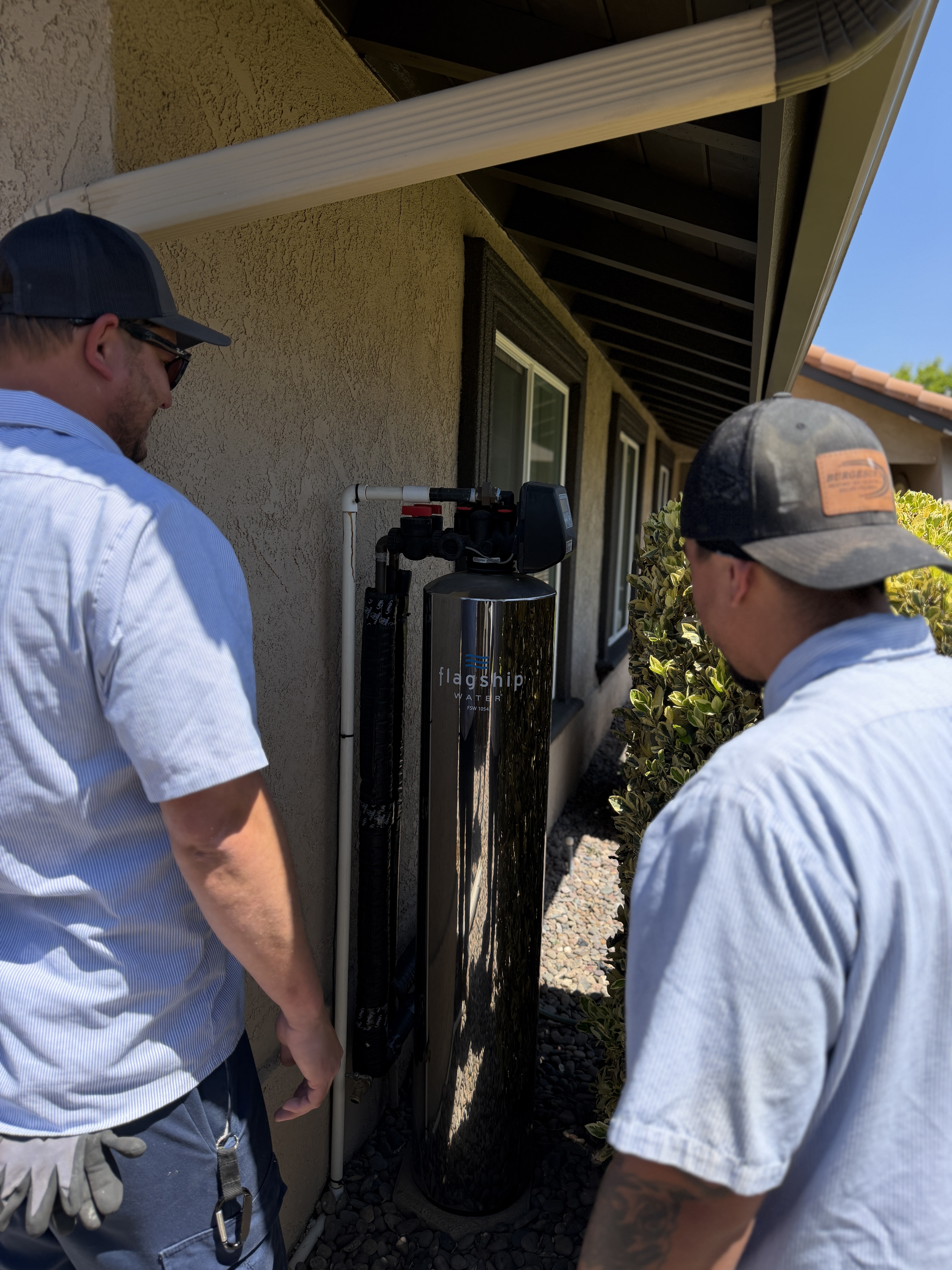
Burgeson's installs whole-home water filtration, water softening, reverse osmosis, and UV water treatment systems throughout the Inland Empire. Our plumbers can review your area's Consumer Confidence Report with you, assess your home's specific water quality needs, and recommend a solution that fits your budget and household. Ask about financing options when you call.
Questions about your water quality? Call Burgeson's at (909) 792-2222 or request a free consultation online.
Frequently Asked Questions
Is Southern California tap water safe to drink?
In most cases, yes, Southern California's major water providers meet all federal and state regulatory limits. However, independent health organizations have identified contaminants in some systems that meet legal limits but exceed more conservative health-based guidelines. Households with young children, pregnant women, or immune-compromised members may benefit from a point-of-use filter even when no advisory is in place.
What does a boil water advisory mean for home filters?
During an active boil water advisory, most home filters including pitcher filters, refrigerator filters, and standard under-sink carbon filters should not be relied upon for safety. These filters are not rated to remove bacteria and viruses. Bring water to a rolling boil for one minute, or use bottled water, until the advisory is lifted.
What are PFAS and are they in my water?
PFAS (per- and polyfluoroalkyl substances) are synthetic compounds that have been detected in water systems across Southern California. The best way to know if they're in your water is to review your utility's annual Consumer Confidence Report or search the California State Water Resources Control Board's PFAS database. If PFAS is a concern, a certified reverse osmosis system is the most effective home solution.
What is the best water filter for removing PFAS?
The most effective home solution for PFAS is a certified reverse osmosis (RO) system with NSF/ANSI 58 or NSF/ANSI 53 certification, installed at the point of use (typically the kitchen sink). Whole-home RO systems are also available but less common for residential use. Pitcher filters typically do not remove PFAS effectively.
How do I know if I have hard water?
Common signs of hard water include scale buildup on faucets and showerheads, spots on glassware after washing, soap that doesn't lather well, and appliances (especially water heaters) that seem to require more energy or fail earlier than expected. A water hardness test, available at hardware stores or provided by Burgeson's, can confirm the level.
Can a whole-home water filter replace boiling during an advisory?
No. During an active boil water advisory, no home filtration system, including whole-home systems, should be substituted for boiling or bottled water, unless the system is specifically certified and rated to address the contaminant in question. Always follow your local water utility's guidance during an advisory.
Don't Leave Your Family's Water Quality to Chance
Burgeson's licensed plumbers install, service, and maintain whole-home water filtration, water softening, reverse osmosis, and UV water treatment systems throughout the Inland Empire. Call (909) 792-2222 or request an appointment online at burgesons.com. Serving the Inland Empire since 1949.