

Burgeson's Heating & Air Conditioning Blog

Protecting Indoor Air Quality During El NiNo and Wildfire Season

Protecting Indoor Air Quality During El NiNo and Wildfire Season

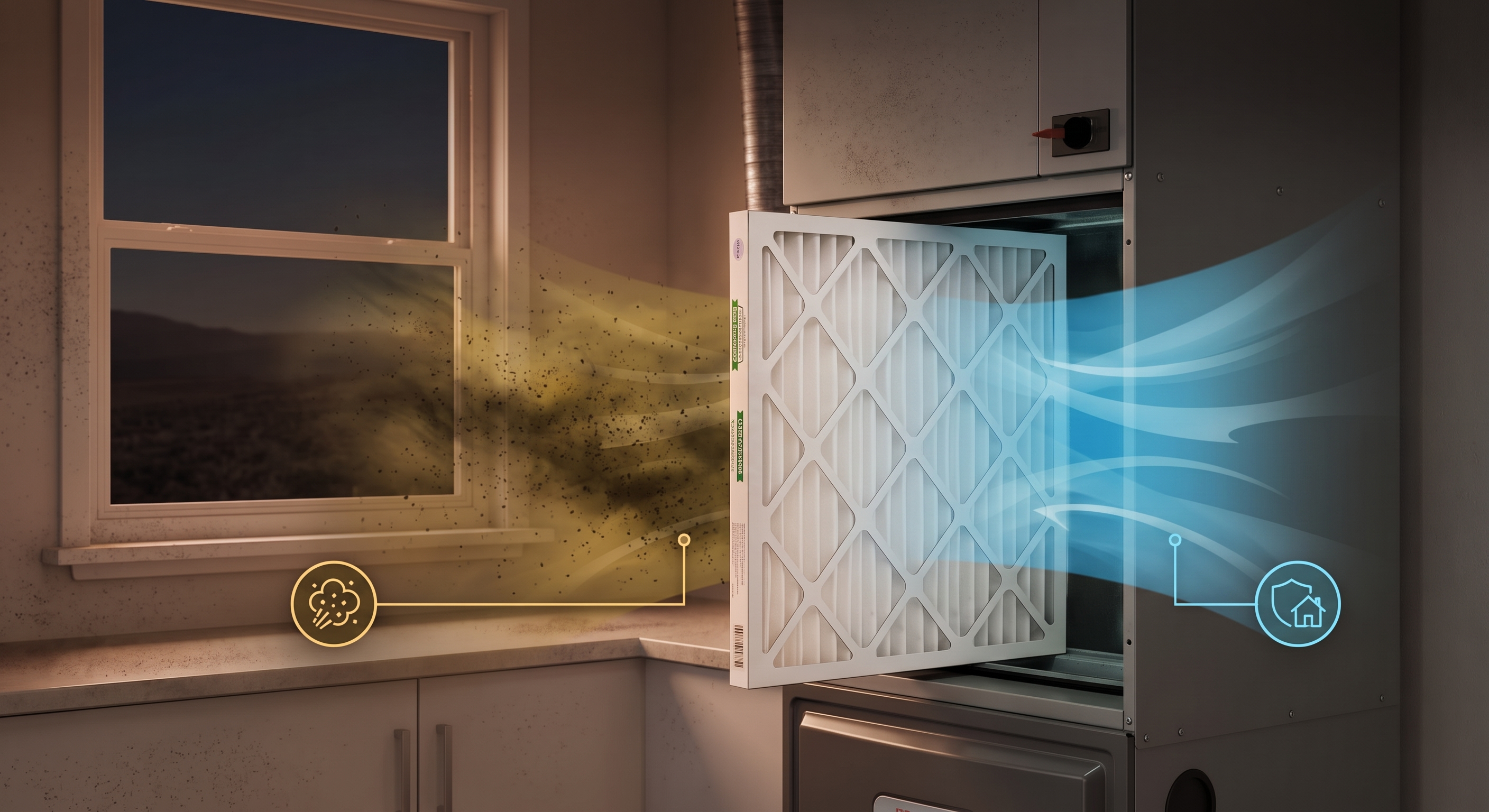
El Niño creates two distinct indoor air quality threats for Southern California homeowners: excess moisture from heavy rain that promotes growth from microorganisms such as mold, mildew, and bacteria, as well as dry, windy periods between storms that elevate wildfire risk and smoke. Managing indoor air quality (IAQ) through the El Niño season means addressing both. The right filtration, humidity control, and HVAC maintenance strategy can handle both scenarios from the same systems already in your home.
Southern California homeowners are used to thinking about wildfire smoke as a summer and fall concern. But El Niño winters create a paradox: heavy storm periods bring moisture and risk of microbial growth, while dry spells between storms, often accompanied by powerful Santa Ana winds, create elevated wildfire danger.
Your home's HVAC system is at the center of both problems. It's also the solution. Here's how to protect your family's indoor air quality through everything an El Niño winter can throw at your home.
Variable Speed HVAC Systems: How They Work & Why They're Worth It

Variable Speed HVAC Systems: How They Work & Why They're Worth It

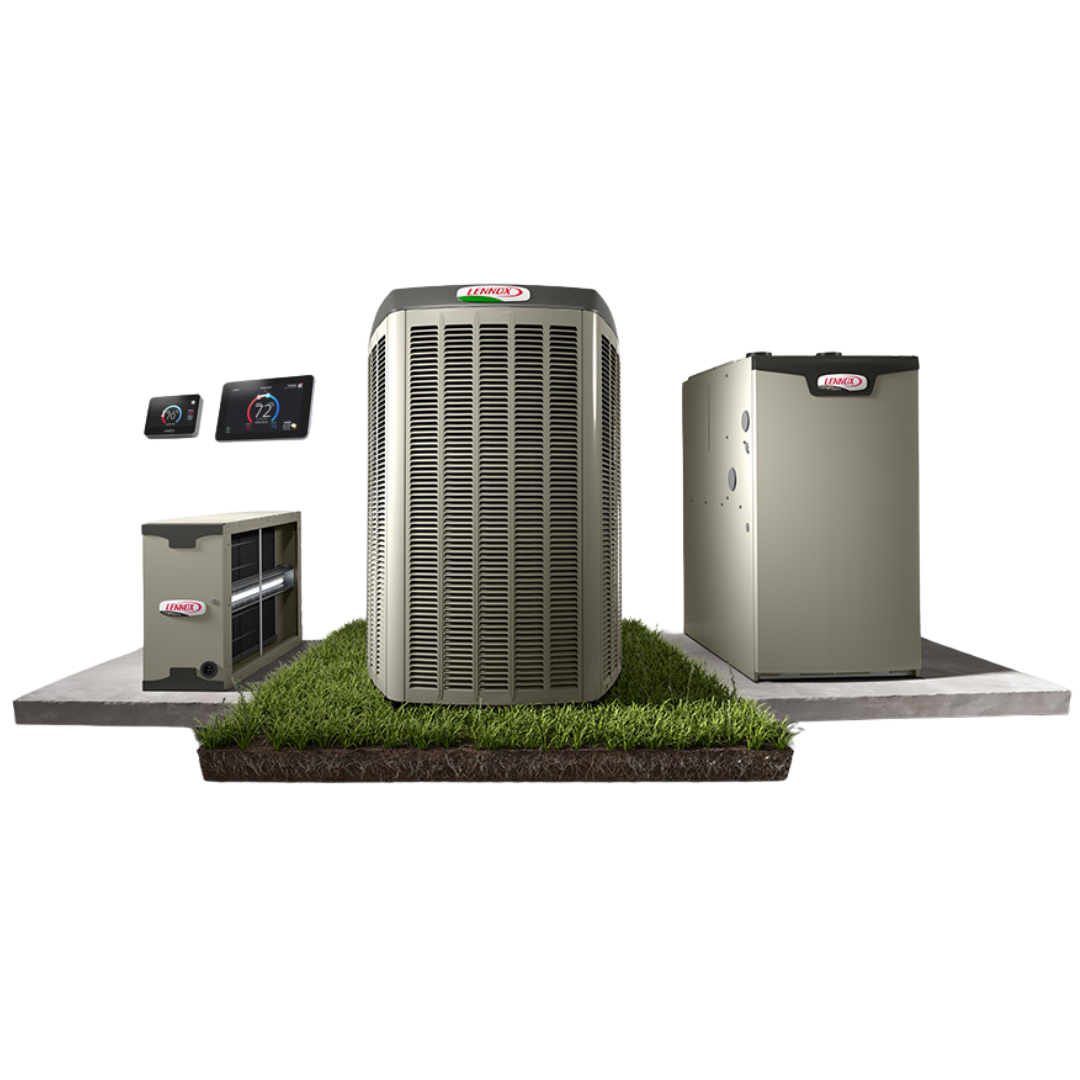
Variable speed HVAC technology has transformed home comfort in Southern California, and if you've been running an older single-stage system through Inland Empire summers, you're leaving real money and comfort on the table.

In this guide, Burgeson's Heating, A/C, Electrical, Solar & Plumbing breaks down exactly how variable speed systems work, how they compare to traditional equipment, and whether upgrading makes sense for your home in Redlands, Riverside, or anywhere across our service area.

HVAC Equipment Prices to Surge in 2025: What New Regulations Mean for You

HVAC Equipment Prices to Surge in 2025: What New Regulations Mean for You

As 2025 approaches, homeowners should prepare for significant changes in the HVAC industry. New regulations and environmental policies will lead to HVAC price increases in 2025, affecting the cost of both equipment and services. At Burgeson’s Heating, A/C, Electrical, Solar & Plumbing, we want to keep our customers informed about these developments, so you can plan ahead and avoid surprises.

What You Should Know About the 2025 HVAC Refrigerant Changes

What You Should Know About the 2025 HVAC Refrigerant Changes

The HVAC industry is gearing up for a significant transition in 2025, driven by new EPA regulations aimed at environmental sustainability. These changes primarily focus on adopting new refrigerants and more efficient systems to reduce greenhouse gas emissions. If you’re a homeowner or business owner relying on HVAC systems, it’s important to understand how these new refrigerant changes will impact you.

What Is Refrigerant | Importance of Refrigerant for HVAC

What Is Refrigerant | Importance of Refrigerant for HVAC

If you live in a place where summers are scorching, then you know how much of a lifeline your air conditioner can be. But have you ever thought about what makes that refreshing, cool air possible? Fans, thermostats, and compressors help, but refrigerant is the key. So, what is refrigerant? Well, This essential substance is what allows your air conditioning system to transfer heat and keep your home comfortable, even on the hottest days.

Benefits of Indoor Air Quality Equipment During Fire Season

With California experiencing more frequent and severe wildfires, residents are often advised to stay indoors. However, fine particles from wildfire smoke will probably make their way into your home and accumulate over time, affecting the air quality inside your home.

Are Air Purifiers Worth the Money? A Tech in Southern California Explains


How to Improve Indoor Air Quality and Remove Pesky Allergens

When you think of air pollution, you probably think of smog lingering in a big city. Poor air quality may be closer to home than you think, though. If you’re not taking proper precautions, you may be breathing in allergens and pollutants right inside your home. 

Indoor pollutants can enter your home in a variety of ways. While typical house dust is common, cleaning products, new furniture, and visitors can all bring in pollutants that decrease your home’s air quality. Mold, dust mites, and pet dander can also become irritating. This can make you and your family sick or even cause serious health problems.

Is Energy Conservation More Important Than Indoor Air Quality?

If you are house hunting, what are some of the first concerns that come to mind? You most likely have a checklist in your head: desired location or neighborhood, square footage, the number of bedrooms and bathrooms are probably up there. Maybe that list also includes details like curb appeal or a state of the art kitchen. Besides the checklist, however, your primary concern is most likely whether or not this dream home is within your budget. But when setting your budget, are you accounting for hidden factors, like an outdated electrical or HVAC system?

Is Your Heating System Making You Sick?

 We are in the midst of winter which means we're all retreating to the cozy warmth of our homes. Winter also means that it's flu season. In fact, according to the Centers for Disease Control and Prevention (CDC) flu activity starts as early as October and ends as late as May, peaking between December and February. This is not entirely coincidental.