

How to Unclog a Drain: A Southern California Plumber Explains
Have you noticed water backing up in your sink or shower? Or a bad smell coming from a drain? If so, you might need to know how to unclog a drain. Clogs can cause unpleasant problems and smells. If left unaddressed, they may lead to serious plumbing issues. Learning how to unclog a shower drain, a bathtub drain, or a sink drain can save you time and money.
In this blog, we’ll share:
- Signs Your Drain is Clogged
- How to Unclog The Drain Yourself
- What Not to Do
- How to Prevent Future Clogs
- Signs You Need a Professional to Unclog Your Drain
___________________________________________________________
If you've exhausted your DIY drain clogging efforts and are still having issues, call Burgeson's. Our experienced and respectful plumbers are ready to help!
Call 909-792-2222 or
 ________________________________________________
SIGNS YOUR DRAIN IS CLOGGED
Before diving into how to unclog a drain, it’s important to recognize the signs of a clog. Identifying these early can help you act quickly to prevent bigger issues:
1. Slow-Draining Sink or Tub: Water takes longer to drain, pooling in your sink or bathtub, indicating a blockage.2. Gurgling Sounds from Pipes: Strange noises when water drains suggest air trapped by a clog.
3. Bad Odors from the Drain: Foul smells from trapped debris or stagnant water are a common sign of a clog.
4. Standing Water: Water that remains in your sink, shower, or bathtub after use points to a blockage.
5. Toilet Backup: Slow flushing or water rising in the bowl can signal a clogged drain.
If you notice these issues, it’s time to explore your options.
How to Unclog The Drain Yourself
We’ll share four safe methods to help you learn how to unclog a drain, whether it’s a shower drain, bathtub drain, or sink drain:
METHOD #1: USE A PLUNGER
Although plungers are typically used for toilets, they’re also effective for unclogging a sink or a shower drain. To use a plunger, follow these steps:
2. Place the plunger cup over the clogged drain and pump vigorously for a few minutes.
If the clog doesn’t clear, try another method.
METHOD #2: Baking Soda and Vinegar Solution
If plunging doesn’t work, a baking soda and vinegar solution can help.
Here’s what to do:
1. Pour half a box of baking soda into the drain.
2. Add ½ cup of vinegar.
3. Wait 30 minutes to let the solution break down the clog.
4. Pour a few cups of hot (not boiling) water down the drain.
This should clear mild clogs.
Method #3: Boiling Water
For simple grease or soap-based clogs, boiling water can be effective for unclogging a drain:
2. Carefully pour the boiling water directly into the drain in two or three stages, allowing it to work for a few seconds between pours.
3. Check if the drain clears.
Repeat if necessary, but avoid this method for PVC pipes, as hot water can damage them.
METHOD #4: DRAIN SNAKE OR ZIP-IT TOOL
A drain snake or Zip-It tool is a great option for unclogging a drain caused by hair or debris:
1. Insert the drain snake or Zip-It tool into the drain.
2. Rotate and push gently to hook and pull out the clog.
3. Run water to test if the drain is clear.
If the drain doesn't clear, repeat or try another method.
If these methods don’t resolve the issue, it’s time to contact a professional plumber.
What Not to Do:
It is highly recommended that you avoid using chemical cleaners to clear the clog. Using chemical cleaners can corrode your home’s pipes from the inside, eventually causing leaks. Chemical cleaners can also be harmful to you and your pets if they are handled improperly. It is also recommended that you avoid using homemade tools to try and dislodge a clog. Often, crude tools (like a stretched-out hanger) can make the clog worse or even get stuck in the pipe. It’s best to leave manual drain clearing to professionals who have the right tools.
How to Prevent Future Clogs:
To keep your shower, tub and sink drains clear, use these prevention habits:
1. Kitchen: Never put grease, cooking oil, coffee grounds, bones, fruit pits, eggshells, food fat, or raw meat down the sink. Run cold water with the disposal.
2. Bath/Shower: Use a mesh screen or drain gate to catch hair and soap. Avoid brushing or detangling hair over the sink.
3. Routine rinse: Flush drains monthly with hot water to melt away light buildup.
Stoppers/strainers: Clean them regularly; they’re designed to collect debris before it enters the line.
Prevention is the best way to keep a drain from clogging.
SIGNS YOU NEED A PROFESSIONAL TO UNCLOG YOUR DRAIN
If you’ve tried the DIY methods to unclog a drain and the clog persists, or if you notice these signs, it’s time to call a professional:
1. Multiple Drains Backing Up at Once: This indicates a main sewer line clog, requiring expert intervention2. DIY Fixes Don’t Work: Persistent clogs after trying plunging, baking soda, or a drain snake suggest a deeper issue.
3. Frequent Clogs That Keep Coming Back: Recurring clogs may point to pipe damage or buildup that needs professional tools.
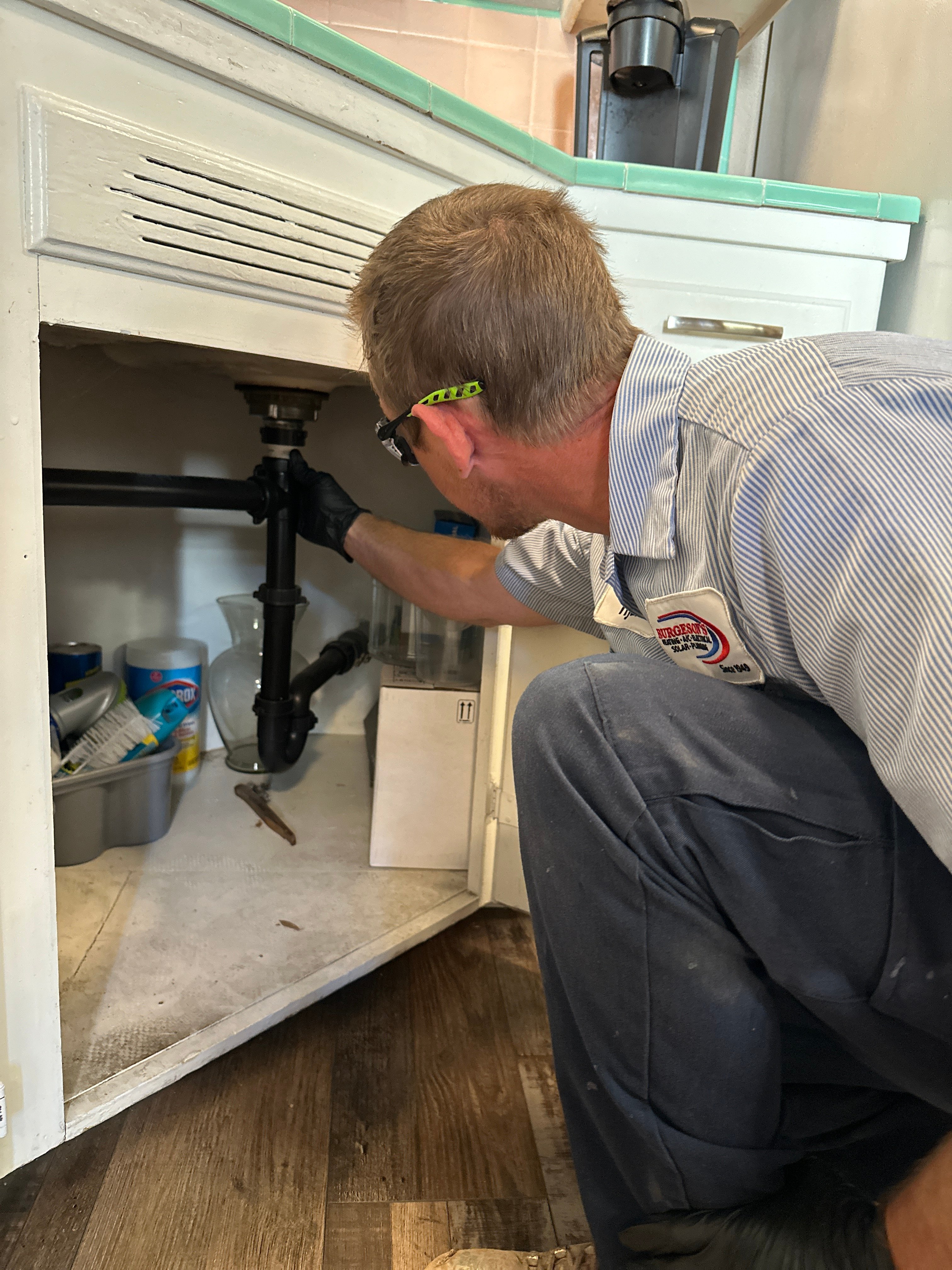
4. Professional advantages: Licensed plumbers can perform camera inspections to locate the exact problem and use hydro-jetting to thoroughly scour the pipe walls—solutions that go far beyond homeowner tools.
Need a pro now? Explore our drain and sewer services to see how we diagnose and clear tough clogs safely.
NEED A PROFESSIONAL TO UNCLOG YOUR DRAIN?
Call 909-792-2222
At Burgeson’s, our expert plumbers can handle even the most complicated drain clogs, whether you’re seeking how to unclog a bathtub drain, shower drain, or sink drain. When you hire us, you can rest assured your clog will be cleared correctly—the first time.