

Understanding Your Home’s Energy Use: A Practical First Step Toward Lower Utility Bills
If your utility bills feel higher than expected, the issue usually comes down to overall energy usage, not just one system, but how your entire home performs together. Small inefficiencies in airflow, insulation, appliances, and daily habits can quietly add up over time.
The good news is that once you understand where energy is being used and lost, you can take simple, effective steps to improve efficiency and lower costs.
Quick Navigation
Common Energy Wasters in Homes
High energy usage is often the result of multiple small issues rather than one major problem.
Air leaks around windows, doors, and attic spaces allow conditioned air to escape, forcing your system to run longer. Poor insulation makes it harder to maintain indoor temperatures, especially during hot summers and cooler winter nights.
Ductwork can also be a hidden source of energy loss. Leaks or disconnected sections may allow air to escape before it reaches your living space, increasing overall energy usage without improving comfort.
Beyond structural issues, lighting, appliances, and water heating all contribute. Older systems, inefficient bulbs, and electronics left plugged in can steadily increase energy usage. Even everyday habits like thermostat adjustments or hot water use can play a role.
How to Calculate and Track Your Home’s Energy Usage
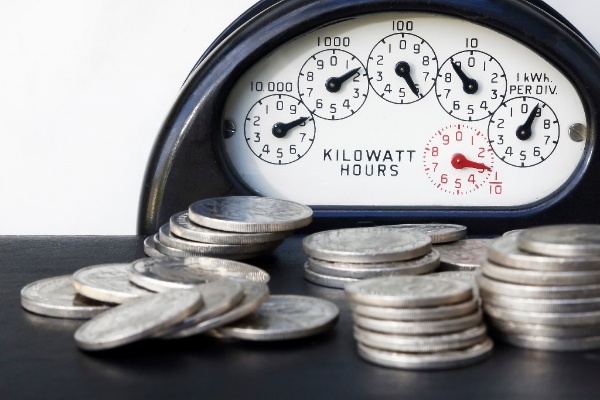
Understanding how to calculate energy usage starts with reviewing your utility bills. Look at your monthly kilowatt-hour (kWh) usage and compare trends to spot unusual increases or seasonal spikes.
An energy usage calculator, available at most hardware stores, can help estimate how much energy your home should be using based on factors like size and occupancy. This gives you a helpful benchmark to compare against your actual energy usage.
For broader guidance, you can use the U.S. Department of Energy’s appliance and home electronics energy estimator guide to better understand where energy is being used throughout your home.
You can also track energy usage more closely with smart plugs or home energy monitors, which show how much electricity individual devices consume. Over time, this makes it easier to identify where energy usage is highest and where adjustments will have the biggest impact.
Benefits of Auditing and Reducing Energy Usage Regularly
Regularly reviewing and improving your energy usage helps keep your home running efficiently over time.
When energy usage is under control, monthly costs become more predictable and less prone to sudden spikes. You’ll also experience more consistent indoor comfort, with fewer hot and cold spots throughout the home.
Reducing energy usage also lowers strain on your systems, helping extend the lifespan of your equipment and reducing the likelihood of repairs. Over time, this creates a home that operates more reliably and efficiently.
Actionable Tips on How to Reduce Energy Usage
If you’re looking for ways to reduce energy usage, start with the areas that typically waste the most energy.
Sealing structural air leaks and improving insulation are some of the most effective ways to reduce energy usage quickly. These changes help keep conditioned air inside and reduce the workload on your systems.
Maintaining HVAC performance is equally important. Replacing filters regularly, keeping vents clear, and using a smart or programmable thermostat can improve efficiency and reduce unnecessary runtime.
Addressing duct leaks can further reduce wasted energy, especially if certain rooms feel uncomfortable or airflow is weak. Upgrading to LED lighting and energy-efficient appliances over time can also lower energy usage without major disruption.
Finally, small daily habits matter. Reducing hot water use, adjusting thermostat settings, and unplugging unused electronics all contribute to long-term energy savings.
Start with Understanding
Improving how your home consumes energy starts with awareness. When you understand how to calculate your consumption, use an energy usage calculator to benchmark performance, and apply practical strategies to reduce waste, you gain real control over your utility costs.
The biggest opportunities come from taking a whole-home approach where HVAC, plumbing, electrical, and insulation all work together efficiently. Small, consistent improvements across each area don’t just lower bills. They create a more comfortable, reliable home.
If you’re ready to take the next step, the team at Burgeson’s brings 77+ years of experience serving the Inland Empire with a practical, system-focused approach. Whether you’re looking to improve efficiency, lower costs, or better understand how your home is performing, our team is here to help you make confident, informed decisions for long-term comfort and savings.